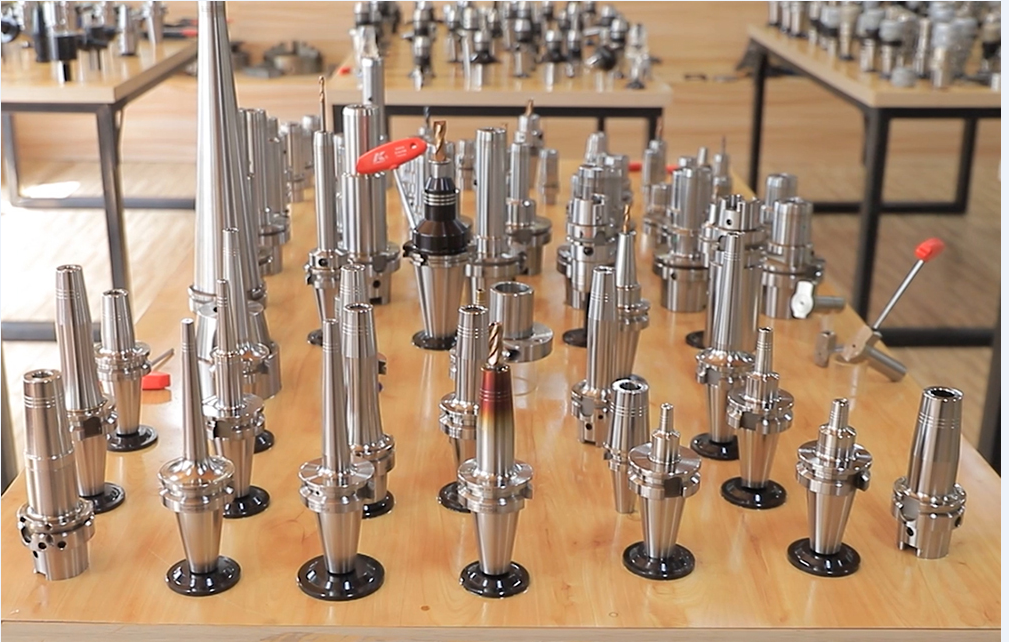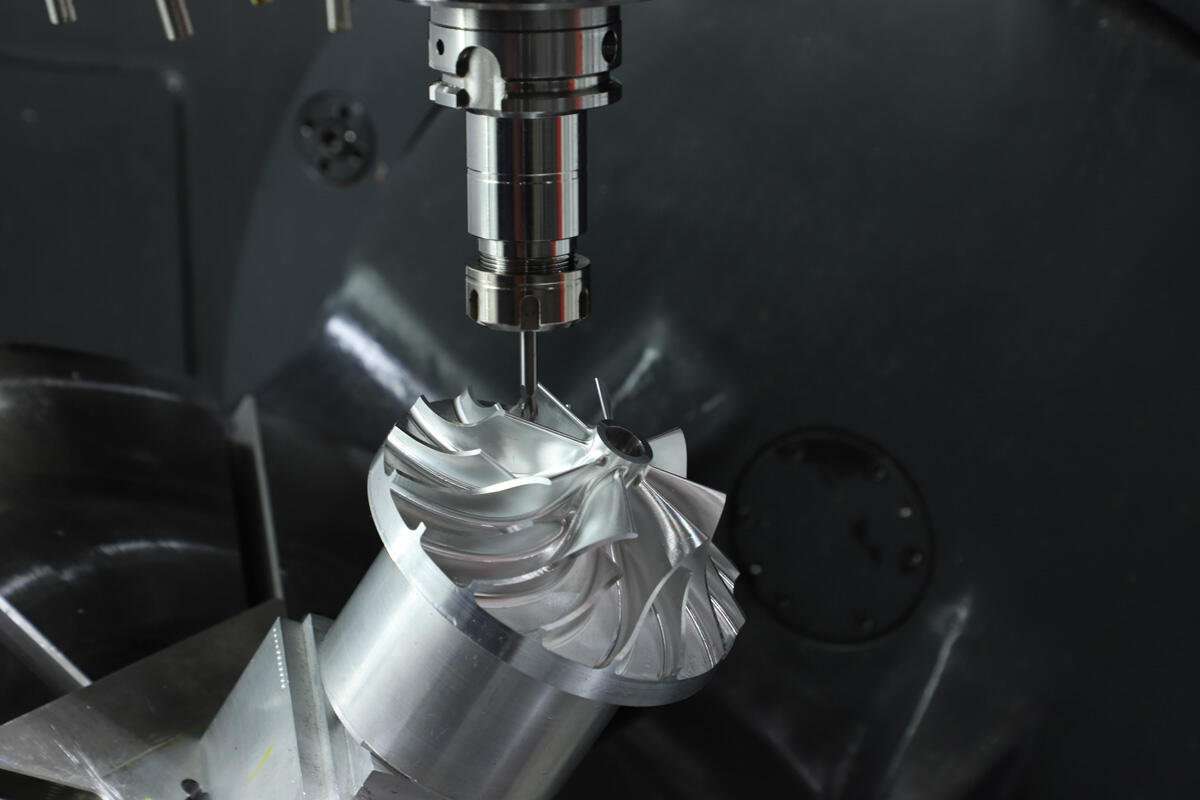
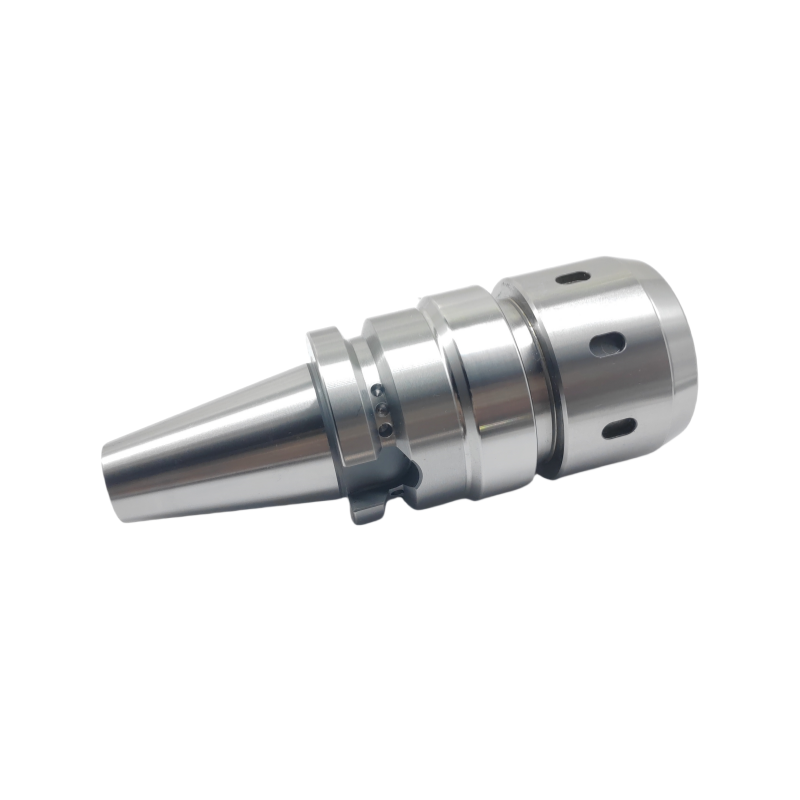
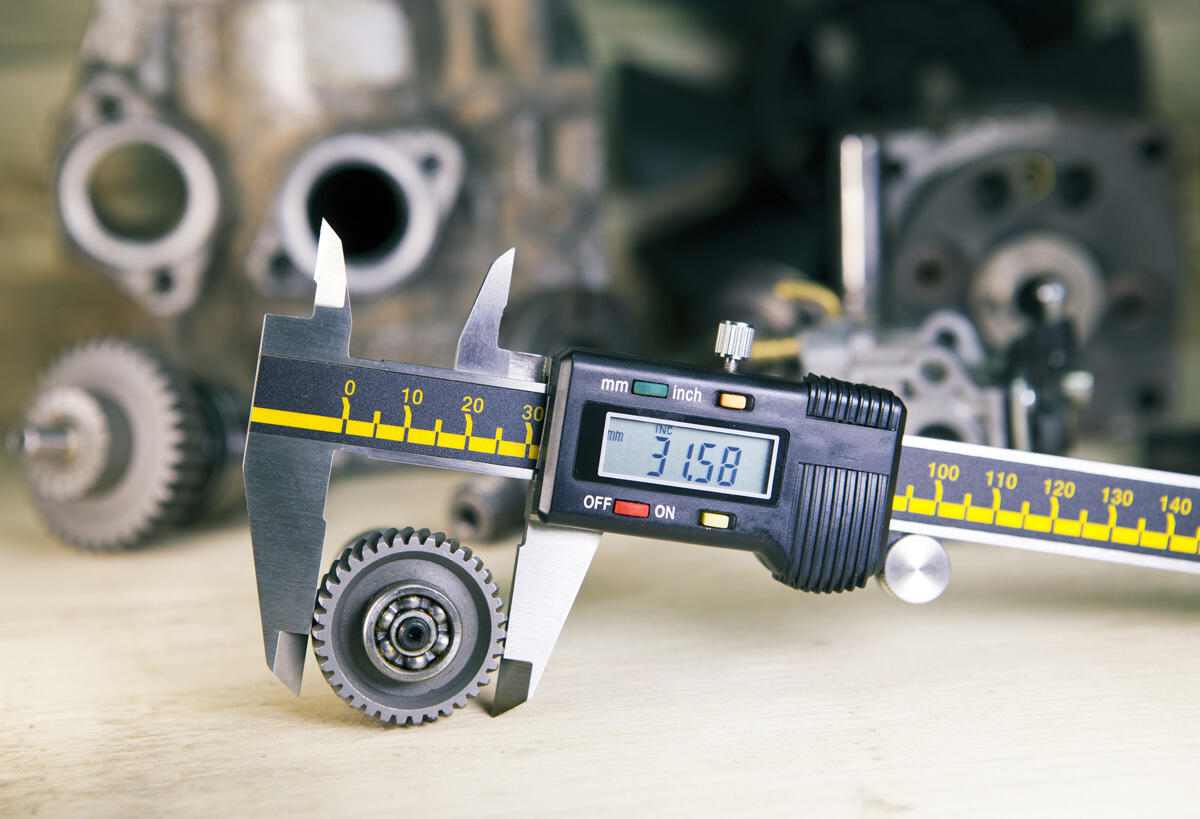
A carbide end mill is a high performance cutting tool engineered for precision milling operations, distinguished by its construction from tungsten carbide a composite material renowned for exceptional hardness, wear resistance, and heat tolerance. This makes carbide end mills ideal for machining hard materials such as alloy steel, stainless steel, titanium, and composites, where traditional high speed steel (HSS) tools would quickly degrade. Their design typically includes multiple flutes (2 to 12, depending on application), a sharp cutting edge, and often a protective coating (e.g., TiAlN, AlCrN) to reduce friction and extend tool life under high speed, high temperature conditions. The versatility of carbide end mills spans industries from mold making to aerospace, where they perform tasks like contouring, slotting, face milling, and 3D profiling with tight tolerances (as low as ±0.002mm). The key advantage lies in their ability to maintain cutting efficiency at elevated speeds up to 5,000 RPM in some cases reducing cycle times while producing superior surface finishes (Ra values below 0.8μm). Unlike HSS end mills, carbide variants resist chipping and deformation, even when machining abrasive materials, making them cost effective for high volume production despite their higher initial cost. WondersunM’s carbide end mills leverage advanced material science and precision manufacturing to meet global industrial demands. Their R&D team selects ultra fine grained carbide substrates (grain size <1μm) for enhanced toughness, balancing hardness with resistance to breakage critical for interrupted cuts in roughing operations. Customization options include variable helix angles to reduce chatter, unequal flute spacing for smoother cutting, and specialized geometries for specific materials (e.g., a 45° helix for aluminum, 30° for hardened steel). As part of WondersunM’s comprehensive tooling portfolio, these end mills integrate with their CNC machines and tool holders, ensuring optimal performance. Rigorous quality checks including dimensional inspection via CMM (Coordinate Measuring Machine) and cutting tests on prototype workpieces guarantee consistency. Exported to over 100 countries, they comply with international standards (e.g., DIN, ANSI), and the company’s technical team provides guidance on tool selection, speeds, and feeds, supporting customers in diverse manufacturing environments from automotive plants in Germany to precision workshops in Japan.