Cutting Tools: High-Performance HSS and Carbide Tools for Machining

All Categories

Get a Free Quote

Our representative will contact you soon.
Email
Mobile/WhatsApp
Name
Company Name
Message
0/1000

Cutting Tools: Types, Materials, Applications, Selection Tips, Care & Safety for Machining & Woodworking

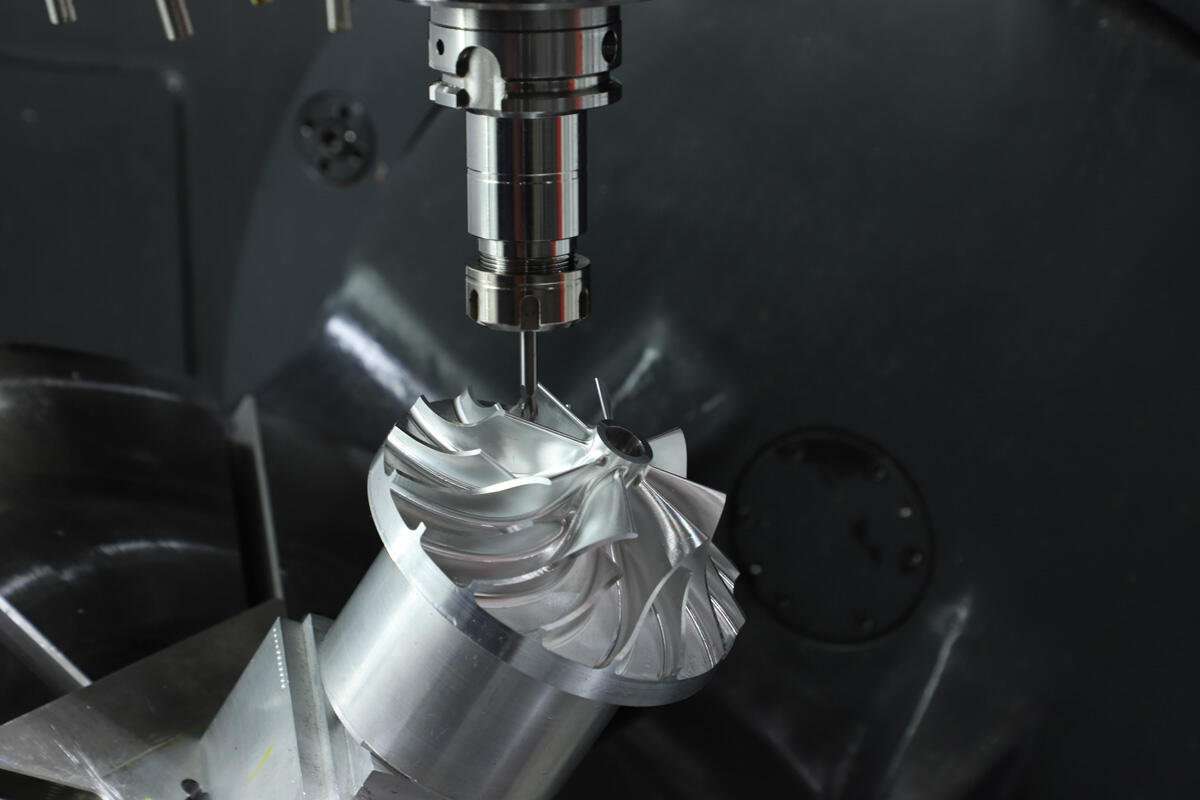
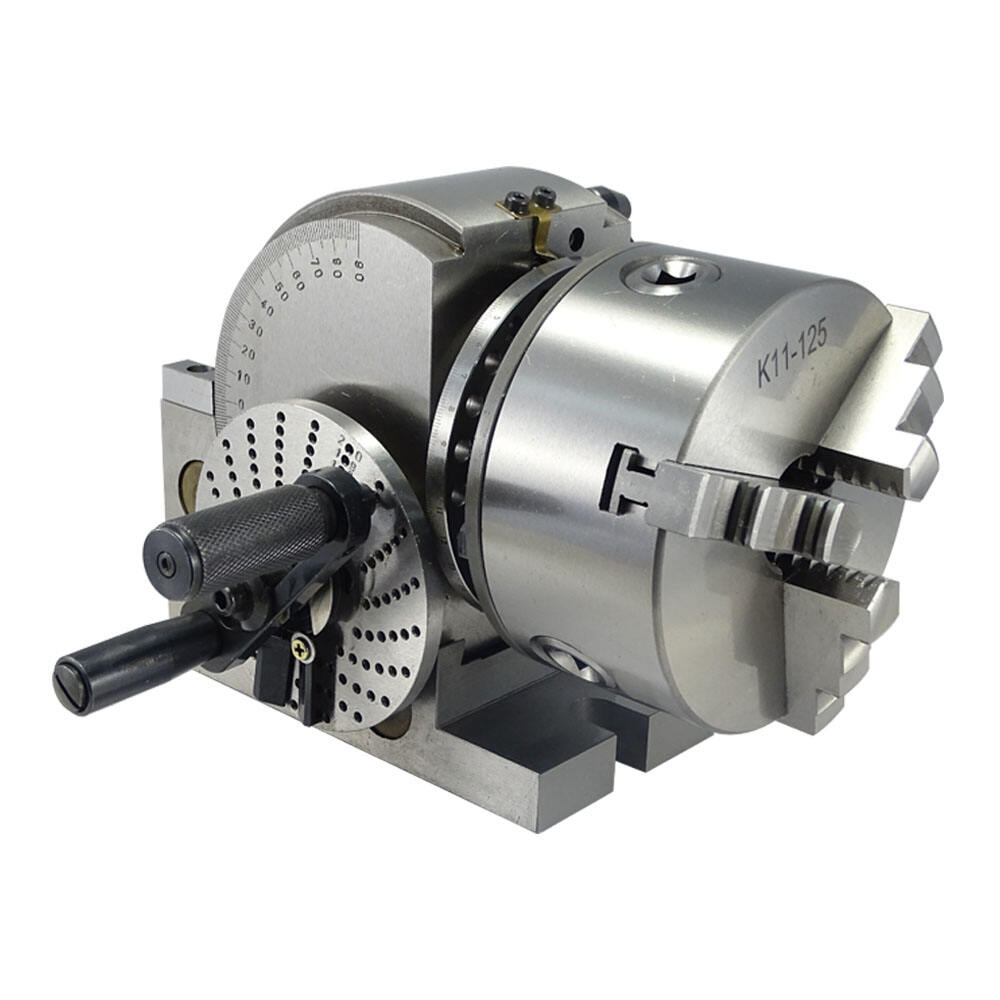
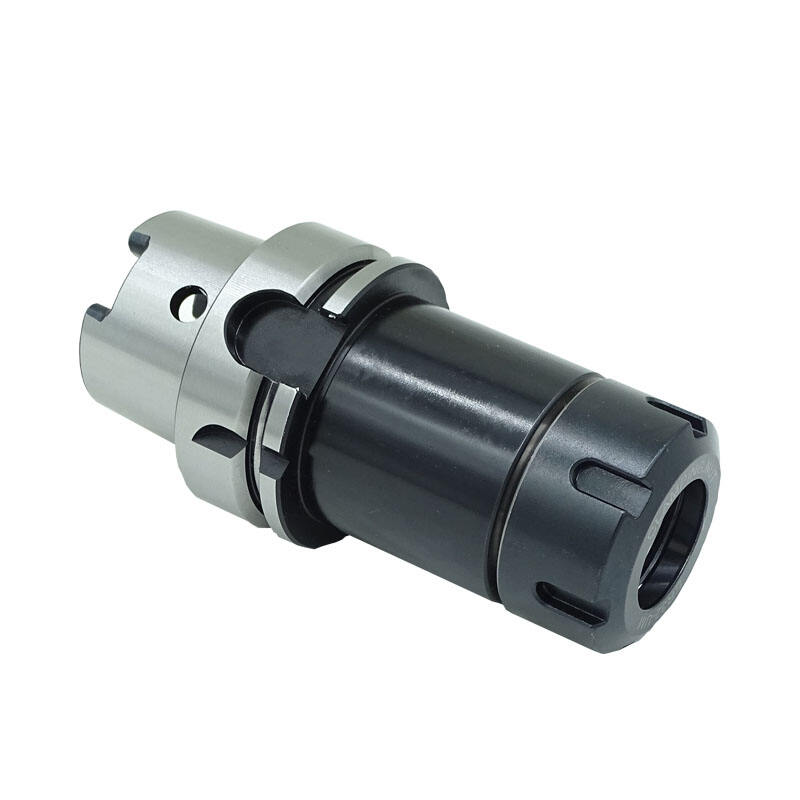
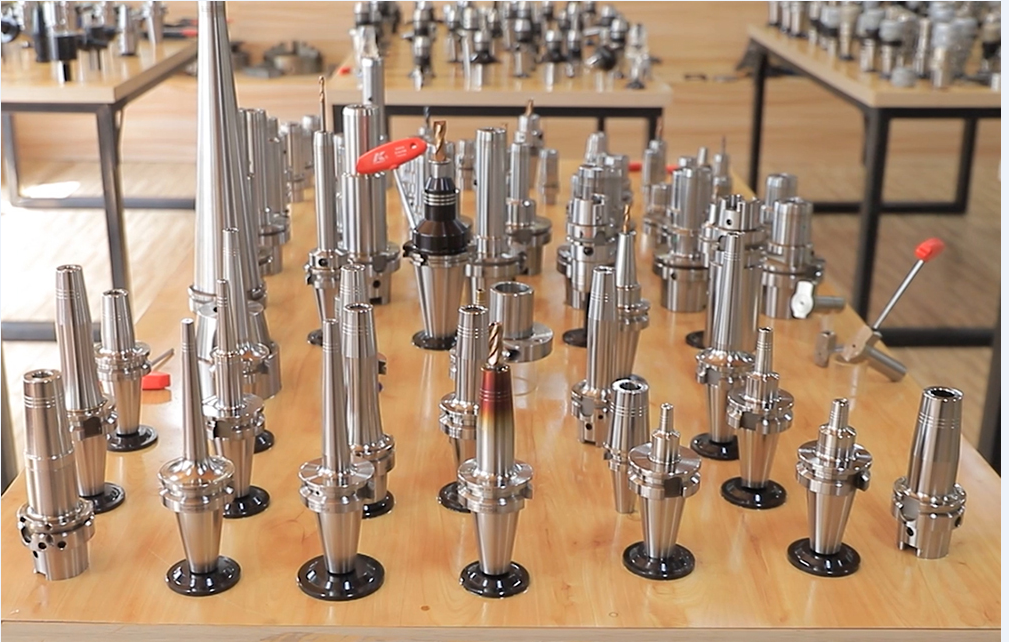
A general term for tools used in metal or non-metal cutting, including milling cutters, drills, boring heads, etc. Made from HSS, carbide, etc., they require appropriate coatings (e.g., TiN, TiAlN) based on materials and processes, suitable for turning, milling, drilling, etc.
Get A Quote

Advantages of the product

Material Versatility

Available in HSS, carbide, and PCD materials, suitable for aluminum, steel, titanium, and composites. Carbide tools with AlTiN coatings handle heat-resistant alloys at temperatures up to 1200°C.

Related products

WC-Co composite superhard alloys are used to produce this equipment, which allows for 3-5 times higher cutting speeds than HSS due to its cutting tool hardness (1300 -1800 HV) and wear resistance. End mills, inserts and drills are also tools of micro grain carbide (grain size <1μm) in precision work such as medical device machining. With high-Si aluminum alloy die castings for automobiles, oftentimes tools exceeding 500 parts longevity are achieved. Tool wear due to friction is also aided with AlCrN or DLC coatings.

Frequently Asked Questions

Can cutting tools handle high-speed machining?

Yes, carbide tools support speeds up to 300m/min and feeds of 0.5mm/tooth, with variable helix angles (30°-45°) minimizing vibration in complex mold milling.

Related Articles

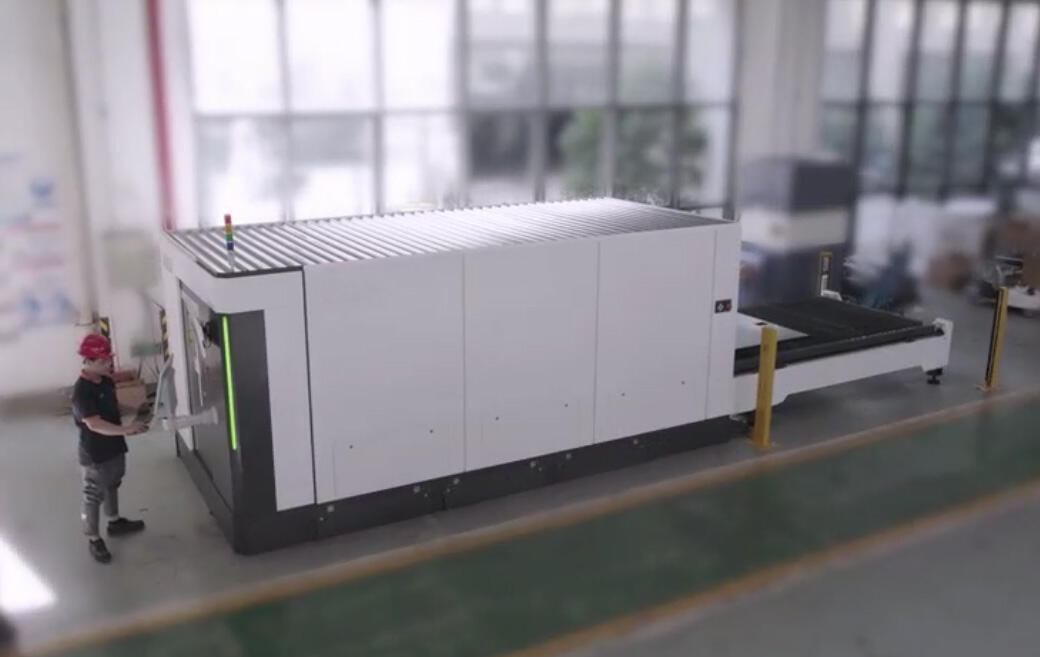
Innovations in Laser Cutting Machines for Modern Industries

03

Jun

Innovations in Laser Cutting Machines for Modern Industries

The last few years have seen a major boost in the manufacturing industry with the introduction of precise laser cutting technologies. In today’s article, I’ll be outlining the history of laser cutting machines and their significance to co...
View More
Choosing the Right Tool Holder for Optimal Performance

03

Jun

Choosing the Right Tool Holder for Optimal Performance

Achieving optimal results in manufacturing and machining industries begins with selecting the correct tool holder. Tool holders provide fundamental functions consisting of holding cutting tools in position securely and providing required accuracy a...
View More
Exploring the Benefits of Friction Welding Machines

03

Jun

Exploring the Benefits of Friction Welding Machines

Friction welding machines have the unique reliable ability to combine materials which has revolutionized the manufacturing sector. Unlike the traditional methods that auxiliary materials for the welding, this new technology employs the motion of the ...
View More
Maximizing Efficiency with Advanced CNC Machines

26

Sep

Maximizing Efficiency with Advanced CNC Machines

In the contemporary manufacturing landscape efficiency is the cornerstone of competitiveness and profitability. Advanced Computer Numerical Control CNC machines are at the forefront of this drive representing a significant leap beyond basic automated...
View More

Customer Reviews

Toby

Micro-grain carbide end mills (radial runout ≤0.003mm) enabled intricate details in surgical implants. The DLC coating extended tool life to 500+ parts per edge, critical for high-volume medical production.

Get a Free Quote

Our representative will contact you soon.
Email
Mobile/WhatsApp
Name
Company Name
Message
0/1000
Coolant Integration

Coolant Integration

Tools with internal coolant channels (pressure up to 20MPa) improve chip evacuation in deep holes and reduce tool temperature by 30%. Essential for machining heat-sensitive materials like Inconel and stainless steel.
Industry Compliance

Industry Compliance

Meets ANSI/ASME B94.19 standards for cutter geometry and ISO 14424 for tool life testing, ensuring consistency in aerospace, automotive, and medical device manufacturing.
Sustainable Design

Sustainable Design

Reusable carbide inserts and regrindable HSS tools reduce waste, while eco-friendly coatings (e.g., TiCN) minimize environmental impact. Aligns with circular economy principles in manufacturing.