Cutting Tools: High-Performance HSS and Carbide Tools for Machining

All Categories

Get a Free Quote

Our representative will contact you soon.
Email
Mobile/WhatsApp
Name
Company Name
Message
0/1000

Cutting Tools: Types, Materials, Applications, Selection Tips, Care & Safety for Machining & Woodworking

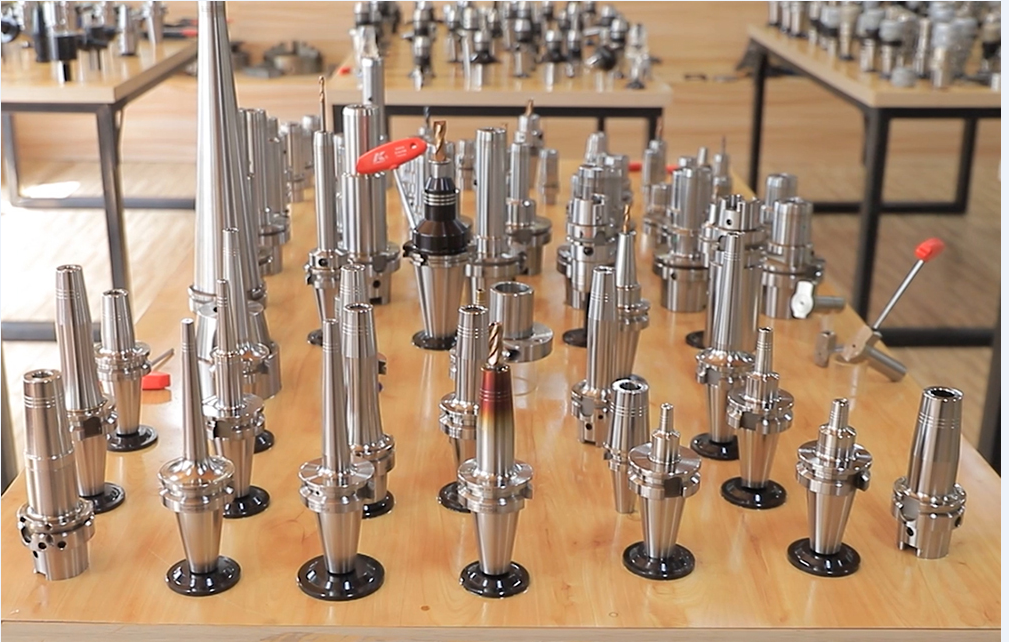
A general term for tools used in metal or non-metal cutting, including milling cutters, drills, boring heads, etc. Made from HSS, carbide, etc., they require appropriate coatings (e.g., TiN, TiAlN) based on materials and processes, suitable for turning, milling, drilling, etc.
Get A Quote

Advantages of the product

High-Speed Cutting Performance

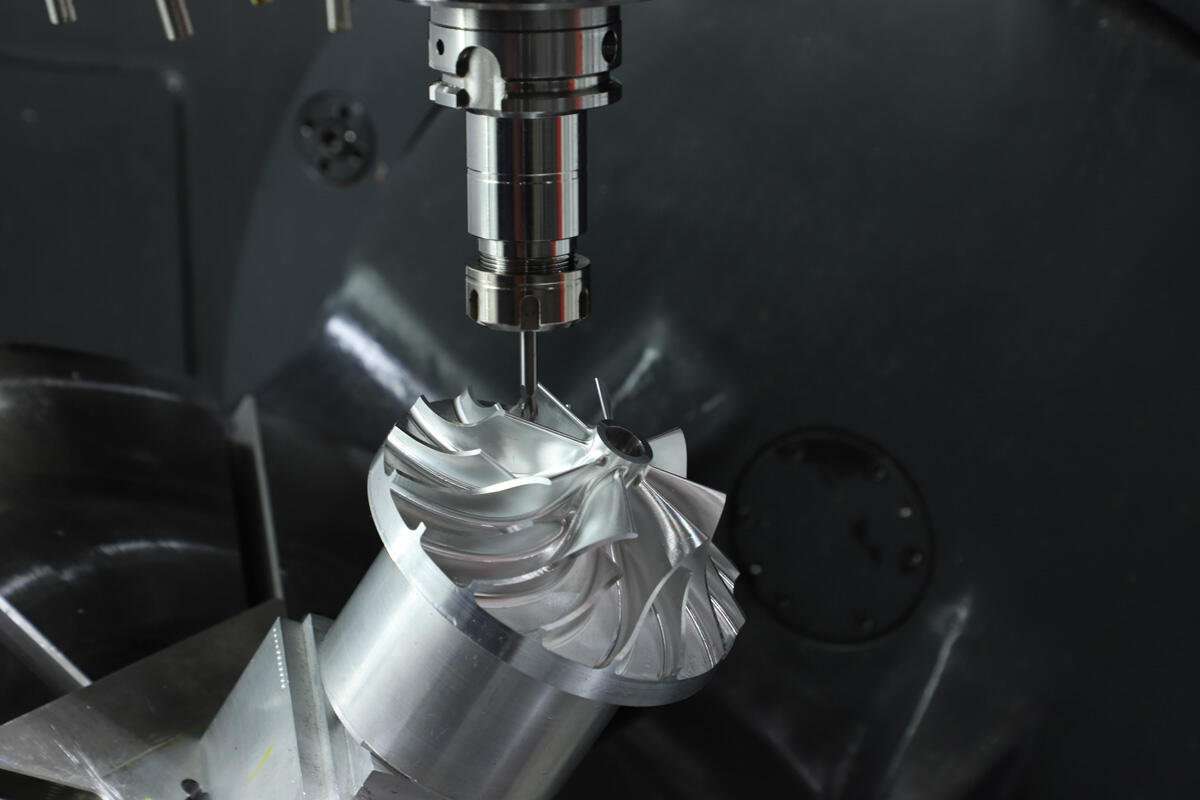
Capable of speeds up to 300m/min (carbide) and feeds of 0.5mm/tooth, reducing cycle times in aluminum machining. Variable helix angles (30°-45°) minimize vibration in high-feed milling of complex molds.

Related products

An end mill is a versatile cutting tool used in milling machines to shape and finish workpieces through rotational cutting, capable of performing a wide range of operations including face milling, slotting, profiling, and drilling. Unlike drills, which only cut axially, end mills can cut along their sides (peripheral cutting) and ends (face cutting), making them indispensable in industries such as metalworking, woodworking, and plastic manufacturing. Available in various materials including high speed steel (HSS), cobalt steel, and carbide end mills are designed with specific flute counts (2 to 10+), helix angles, and shank types (straight, tapered, or Weldon) to suit different materials and machining goals. HSS end mills, the most common entry level option, offer good toughness and affordability, ideal for machining soft metals (aluminum, brass) and non metallic materials (wood, plastics) at moderate speeds. Cobalt steel end mills, alloyed with 5 8% cobalt, provide enhanced heat resistance, suitable for higher speed machining of medium hard metals like low carbon steel. The choice of flute count directly impacts performance: fewer flutes (2 3) allow better chip evacuation, making them ideal for aluminum, while more flutes (4 6) deliver smoother finishes on steel and cast iron. WondersunM’s end mill range embodies precision engineering tailored to global manufacturing needs. Their HSS end mills undergo vacuum heat treatment to achieve uniform hardness (58 62 HRC), ensuring consistent cutting performance and resistance to wear. For demanding applications, their cobalt steel variants feature precision ground flutes with tight runout tolerances (<0.01mm), minimizing vibration and improving surface quality. Recognizing diverse workshop requirements, WondersunM offers end mills with specialized coatings such as TiN for general use or TiCN for high speed applications enhancing tool life by up to 300% compared to uncoated alternatives. As part of a one stop industrial solution, these end mills are compatible with WondersunM’s milling machines and tool holders, with technical support teams providing guidance on optimal speeds, feeds, and coolant usage. Rigorous testing including fatigue resistance trials and dimensional checks ensures reliability, while customization options (e.g., custom lengths, non standard shank sizes) cater to unique applications. Exported worldwide, they meet international standards (ISO, JIS), making them a trusted choice for workshops in North America, Europe, and Asia seeking versatile, cost effective milling solutions.

Frequently Asked Questions

How do cutting tools support sustainability?

Reusable carbide inserts and regrindable HSS tools reduce waste, while eco-friendly coatings (TiCN) minimize environmental impact, aligning with circular economy principles.

Related Articles

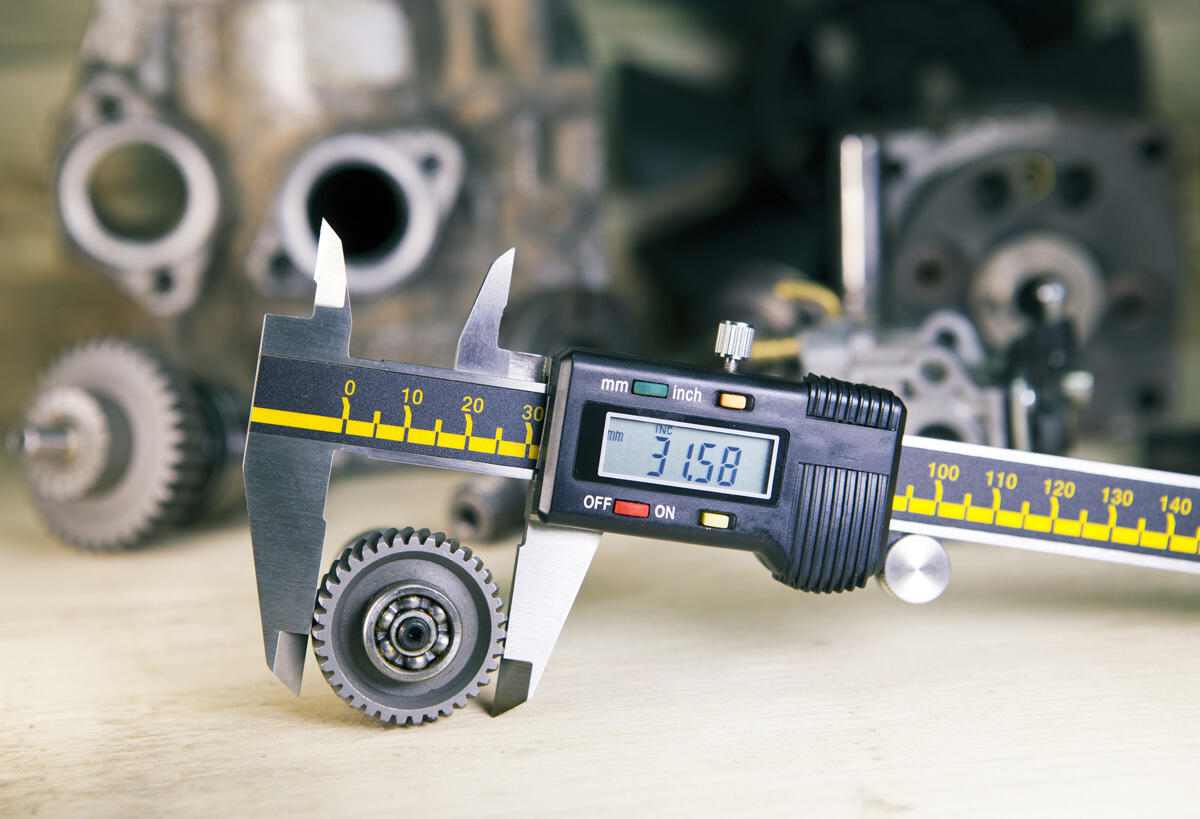
Enhancing Quality Control with Digital Calipers

03

Jun

Enhancing Quality Control with Digital Calipers

Like any other industry, automation put a premium on precision and accuracy. In every field, digital calipers are considered to be one of the utmost importance to the quality control system, giving invaluable service to industry which sustains qualit...
View More
Choosing the Right Tool Holder for Optimal Performance

03

Jun

Choosing the Right Tool Holder for Optimal Performance

Achieving optimal results in manufacturing and machining industries begins with selecting the correct tool holder. Tool holders provide fundamental functions consisting of holding cutting tools in position securely and providing required accuracy a...
View More
Exploring the Benefits of Friction Welding Machines

03

Jun

Exploring the Benefits of Friction Welding Machines

Friction welding machines have the unique reliable ability to combine materials which has revolutionized the manufacturing sector. Unlike the traditional methods that auxiliary materials for the welding, this new technology employs the motion of the ...
View More
Maximizing Efficiency with Advanced CNC Machines

26

Sep

Maximizing Efficiency with Advanced CNC Machines

In the contemporary manufacturing landscape efficiency is the cornerstone of competitiveness and profitability. Advanced Computer Numerical Control CNC machines are at the forefront of this drive representing a significant leap beyond basic automated...
View More

Customer Reviews

Blue

Carbide end mills with variable helix angles (45°) minimized vibration in titanium alloy blades, allowing 300m/min speeds. Their durability reduced tool change time by 40% in 5-axis machining centers.

Get a Free Quote

Our representative will contact you soon.
Email
Mobile/WhatsApp
Name
Company Name
Message
0/1000
Coolant Integration

Coolant Integration

Tools with internal coolant channels (pressure up to 20MPa) improve chip evacuation in deep holes and reduce tool temperature by 30%. Essential for machining heat-sensitive materials like Inconel and stainless steel.
Industry Compliance

Industry Compliance

Meets ANSI/ASME B94.19 standards for cutter geometry and ISO 14424 for tool life testing, ensuring consistency in aerospace, automotive, and medical device manufacturing.
Sustainable Design

Sustainable Design

Reusable carbide inserts and regrindable HSS tools reduce waste, while eco-friendly coatings (e.g., TiCN) minimize environmental impact. Aligns with circular economy principles in manufacturing.