In the dynamic environment of metalworking and general machining, the selection of cutting tools is a critical decision that directly impacts productivity, cost, and quality. HSS Cutting Tools, or High-Speed Steel tools, remain a cornerstone technology for a vast range of applications, offering a unique combination of properties that modern workshops continue to rely upon. At WondersunM, part of the BLUESTAR industrial family, we engineer our HSS Cutting Tools to meet the rigorous demands of professionals who require tools that are both high-performing and economically efficient. High-Speed Steel derives its name from its ability to withstand higher temperatures and maintain hardness at greater cutting speeds than traditional carbon tool steels, a characteristic achieved through alloying elements like tungsten, molybdenum, vanadium, and cobalt.
The fundamental advantage of HSS lies in its superior toughness and resistance to chipping. This makes it the material of choice for applications involving interrupted cuts, such as milling keyways, slots with inlet/outlet holes, or on uneven surfaces. It is also ideal for machining materials that tend to work-harden or for operations on equipment with less rigidity, where a more forgiving tool is beneficial. Compared to carbide tools, HSS can be reground and sharpened multiple times using standard toolroom equipment, significantly extending its service life and providing excellent long-term value. This regrindability allows workshops to maintain a sharp cutting edge, which is essential for maintaining low cutting forces, good surface finish, and dimensional accuracy.
Consider the operational requirements of a maintenance and repair department in a heavy industry setting, such as a mining or agricultural equipment service center. Technicians frequently encounter the need to drill, tap, or mill a variety of components made from different materials—from hardened steel pins to cast iron housings and aluminum brackets. The conditions are often less than ideal, with setups that may not be perfectly rigid. A versatile set of WondersunM HSS Cutting Tools provides the perfect solution. An HSS drill bit can efficiently create holes in multiple material types without the brittleness concerns of carbide in handheld or less stable drill presses. HSS taps can form strong threads in through-holes or blind holes, with the material's toughness helping to prevent tap breakage—a common and costly issue in maintenance work. The ability to resharpen these tools on-site further enhances their utility and cost-effectiveness for such diverse and unpredictable tasks.
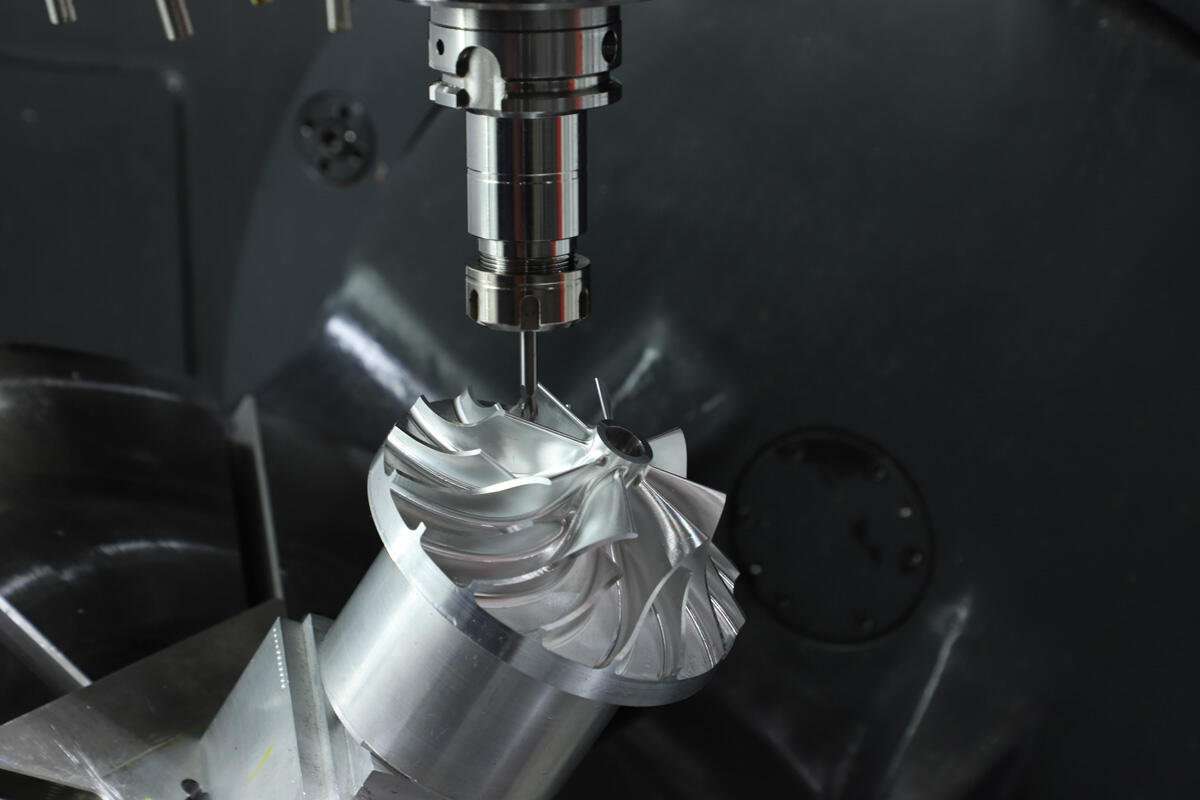
In the context of machining non-ferrous metals and softer steels, HSS tools excel. For example, in the fabrication of aluminum parts for frameworks or enclosures, HSS end mills and drills provide a smooth cutting action with low risk of built-up edge, which can compromise finish quality. The sharp edge attainable with HSS results in shearing cuts that produce minimal burrs and excellent surface texture. Similarly, in the production of components from free-machining steels (like 12L14), HSS tools operate at optimal parameters, allowing for high metal removal rates with extended tool life between sharpenings. This makes them a staple in high-mix, low-volume job shops and prototype development labs, where flexibility and tooling cost control are paramount.
The range of HSS Cutting Tools extends beyond drills and end mills. Tools such as HSS gear cutters, broaches, and saw blades are essential for creating specific geometries. In the repair or small-batch production of gears, an HSS gear cutter is often the most practical and precise tool for the job. Furthermore, the process of friction welding, an area of expertise highlighted by BLUESTAR, can be relevant in the context of tool manufacturing itself. Advanced, bi-metal tools can be created by friction welding a high-performance HSS cutting edge to a tougher, less expensive steel shank, optimizing performance and cost. This exemplifies the innovative approach to industrial supply that underpins our brand.
Selecting the right HSS tool involves understanding the specific alloy, coating (such as TiN or TiCN for enhanced lubricity and wear resistance), and geometry for your application. The team at WondersunM, backed by a global service footprint and a commitment to first-level support, is equipped to guide you. We encourage you to contact our technical specialists to discuss your specific machining parameters, material challenges, and performance goals. By providing detailed specifications, we can help you identify the optimal HSS Cutting Tools that deliver the best quality, reliable performance, and tangible value for your metalworking operations.
 EN
EN