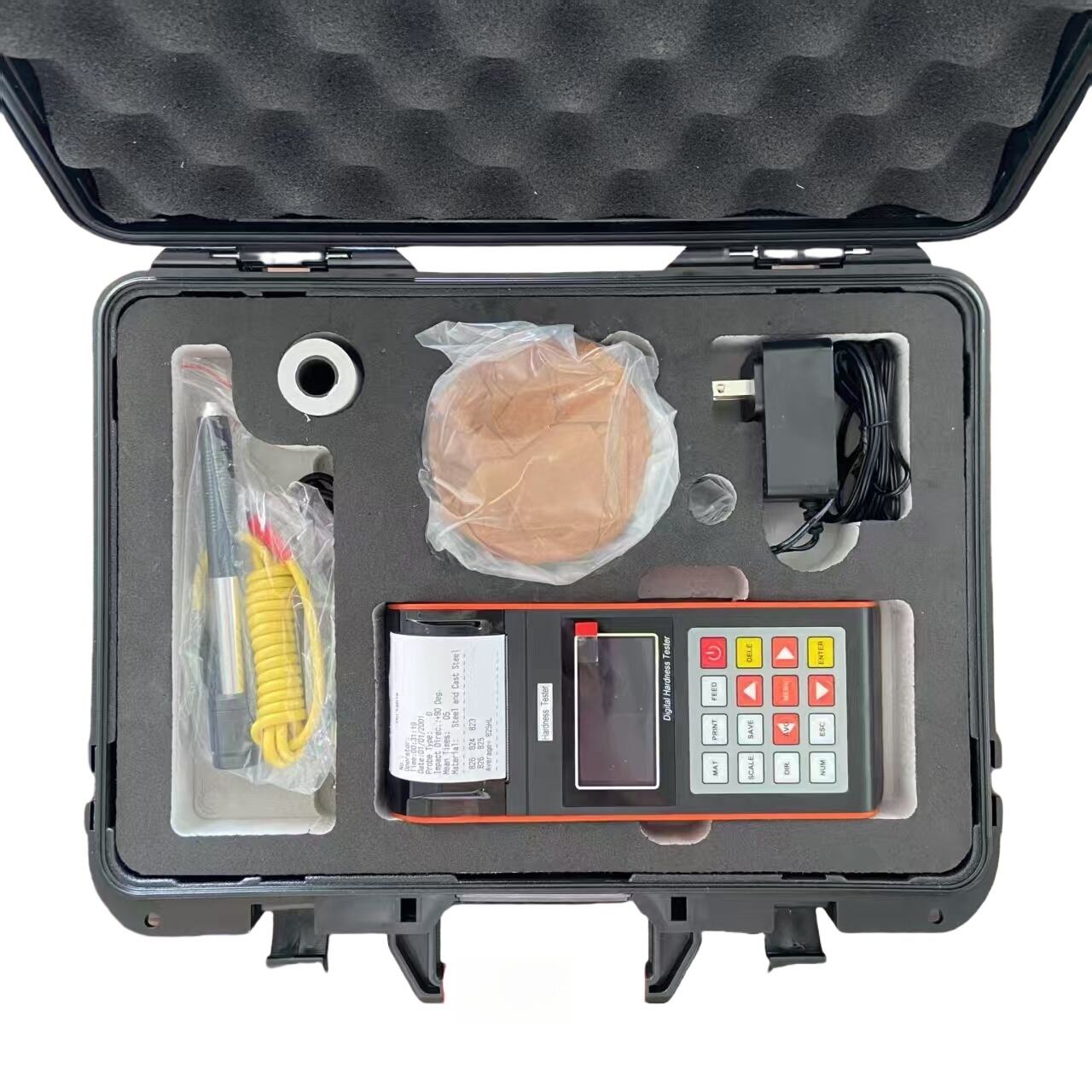
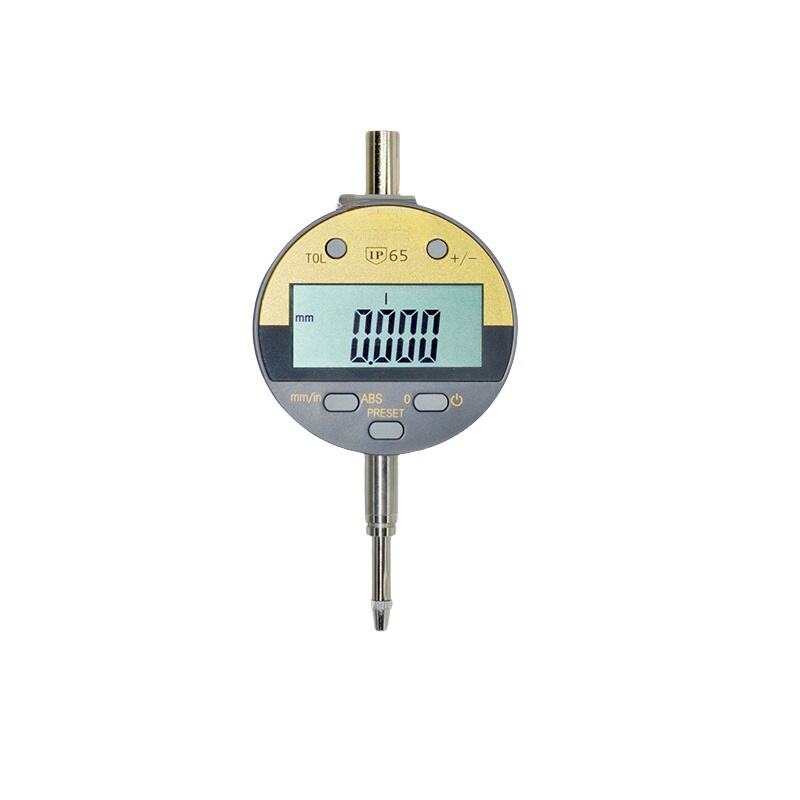
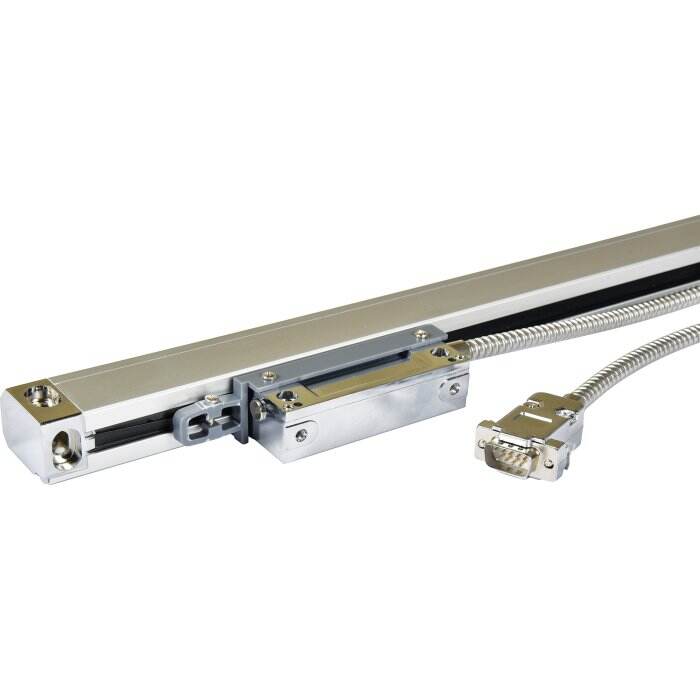
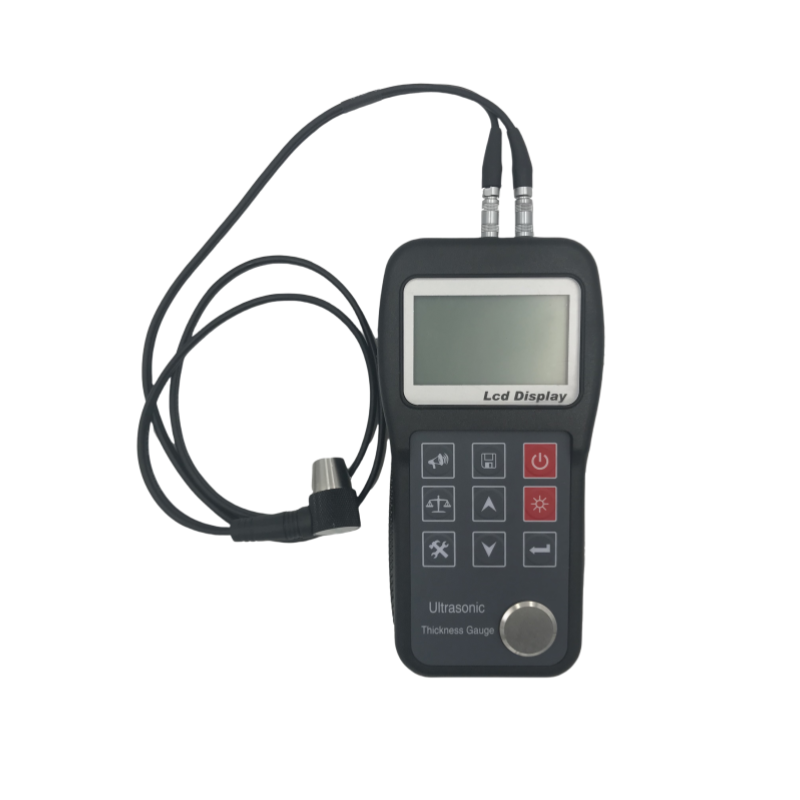
Hardness Tester: Accurate Material Hardness Analysis for Heat-Treated Metals

All Categories

Get a Free Quote

Our representative will contact you soon.
Email
Mobile/WhatsApp
Name
Company Name
Message
0/1000

Hardness Tester: Types, Applications, and Selection Guide for Material Testing

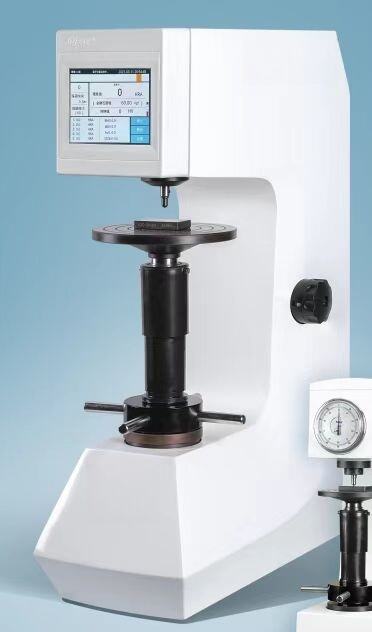
A device for detecting material hardness values, including Rockwell and Brinell types. It is used for performance evaluation of heat-treated metal materials to ensure workpiece strength meets design requirements, widely applied in machining, metallurgy, and hardware manufacturing.
Get A Quote

Advantages of the product

Rapid Testing Process

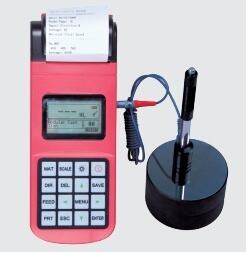
Rockwell testers provide results in ≤10 seconds, ideal for high-throughput production lines. Portable models (≤2kg) enable on-site testing of large components like pressure vessels and bridge steel, reducing downtime.

Related products

Surface roughness refers to the micro irregularities on a material’s surface, quantified by parameters such as Ra (arithmetic mean deviation), Rz (maximum height of the profile), and Rq (root mean square deviation). These measurements, typically ranging from nanometers to micrometers, critically influence a part’s performance affecting friction, wear resistance, corrosion susceptibility, and aesthetic appeal across industries. In manufacturing, surface roughness is controlled through machining processes: grinding achieves Ra values as low as 0.025μm, while turning may produce Ra 1.6 6.3μm, depending on tool geometry and cutting parameters. Measurement is performed using contact profilometers (stylus based) for high accuracy or optical interferometers for non destructive analysis, with standards like ISO 4287 and ASME B46.1 providing consistent evaluation criteria. For functional components, such as bearing surfaces, low roughness (Ra < 0.8μm) reduces friction and extends service life, while higher roughness (Ra 3.2 12.5μm) may be acceptable for non critical structural parts. WondersunM offers surface roughness testers with advanced sensors that can measure Ra, Rz, and 13 other parameters, featuring touchscreen interfaces and data logging capabilities for quality control. These instruments are used in automotive (cylinder bores), aerospace (turbine blades), and medical device (implants) manufacturing, ensuring compliance with design specifications. Properly managed surface roughness also impacts coating adhesion, sealing effectiveness, and fatigue strength, making it a key factor in product reliability and performance.

Frequently Asked Questions

What industries widely adopt hardness testers?

Used in metallurgy, automotive, and manufacturing for incoming material inspection, process validation, and final product testing, meeting regional standards like GB/T 230.1 and JIS Z2245.

Related Articles

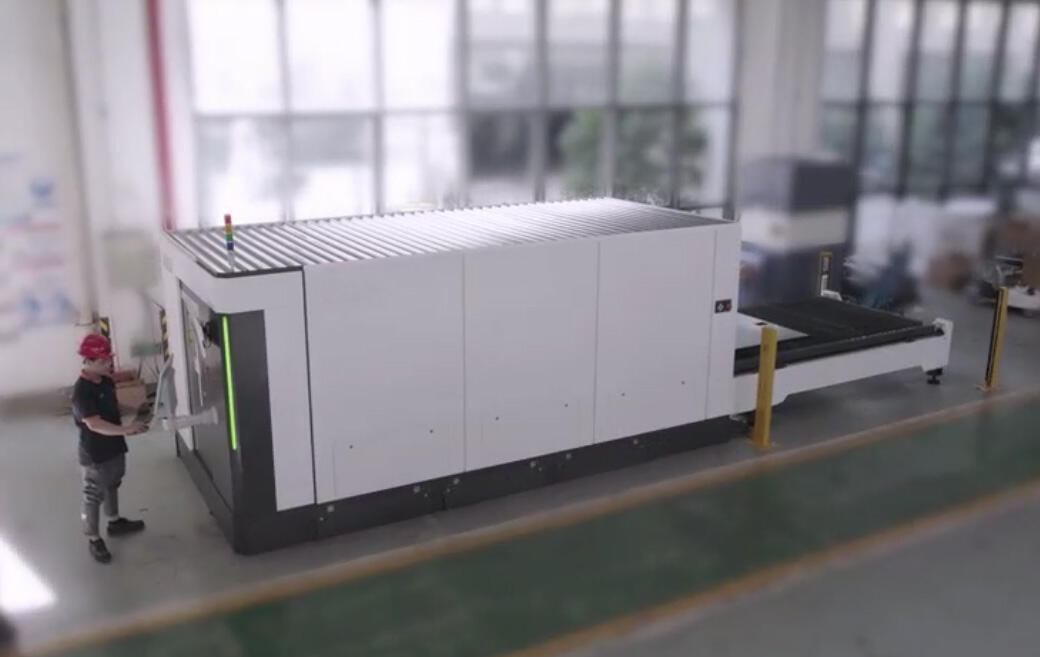
Innovations in Laser Cutting Machines for Modern Industries

03

Jun

Innovations in Laser Cutting Machines for Modern Industries

The last few years have seen a major boost in the manufacturing industry with the introduction of precise laser cutting technologies. In today’s article, I’ll be outlining the history of laser cutting machines and their significance to co...
View More
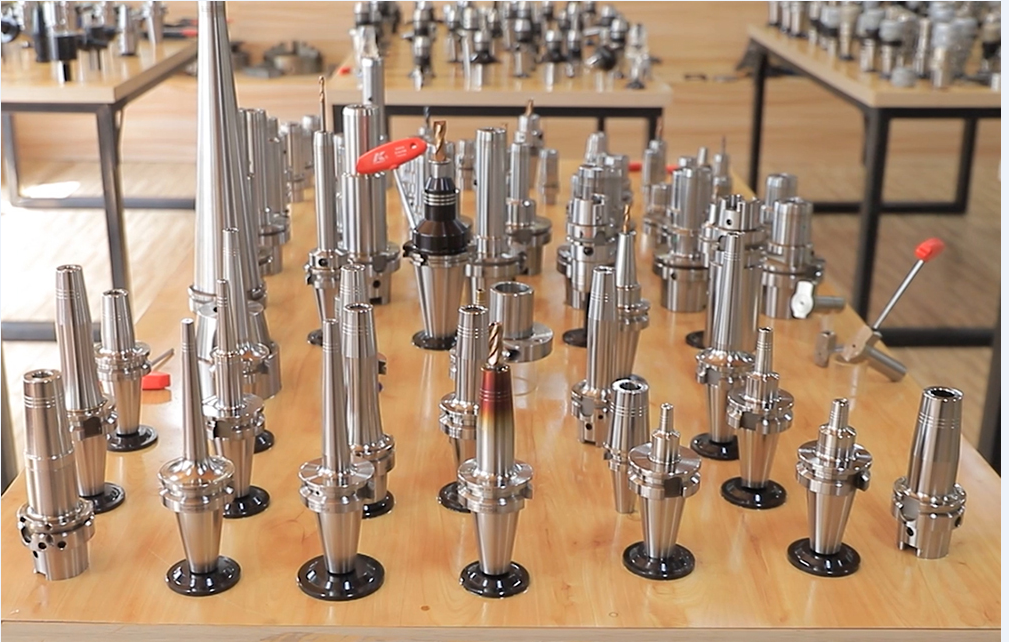
Choosing the Right Tool Holder for Optimal Performance

03

Jun

Choosing the Right Tool Holder for Optimal Performance

Achieving optimal results in manufacturing and machining industries begins with selecting the correct tool holder. Tool holders provide fundamental functions consisting of holding cutting tools in position securely and providing required accuracy a...
View More
Exploring the Benefits of Friction Welding Machines

03

Jun

Exploring the Benefits of Friction Welding Machines

Friction welding machines have the unique reliable ability to combine materials which has revolutionized the manufacturing sector. Unlike the traditional methods that auxiliary materials for the welding, this new technology employs the motion of the ...
View More
Maximizing Efficiency with Advanced CNC Machines

26

Sep

Maximizing Efficiency with Advanced CNC Machines

In the contemporary manufacturing landscape efficiency is the cornerstone of competitiveness and profitability. Advanced Computer Numerical Control CNC machines are at the forefront of this drive representing a significant leap beyond basic automated...
View More

Customer Reviews

Hendrix

Meeting GB/T 230.1 and JIS Z2245, this tester facilitated our entry into Asian and Japanese markets. Testing aluminum castings (HB 120), it provided traceable reports acceptable to international clients.

Get a Free Quote

Our representative will contact you soon.
Email
Mobile/WhatsApp
Name
Company Name
Message
0/1000
Data Traceability

Data Traceability

Digital models store up to 500 readings with time/date stamps, supporting quality control documentation and ISO 9001 compliance. USB connectivity allows data transfer to PCs for trend analysis.
Heavy-Duty Construction

Heavy-Duty Construction

Industrial-grade testers feature reinforced frames and shock-absorbing bases, withstanding drops and vibrations in foundries and construction sites. Hardened steel anvils (60-65HRC) resist wear from frequent use.
Global Industry Adoption

Global Industry Adoption

Widely used in metallurgy, automotive, and manufacturing for incoming material inspection, process validation, and final product testing. Meets regional standards like GB/T 230.1 in China and JIS Z2245 in Japan.