CNC Machine: Automated Precision Machining with Multi-Axis Control

All Categories

Get a Free Quote

Our representative will contact you soon.
Email
Mobile/WhatsApp
Name
Company Name
Message
0/1000

CNC Machine: Types, Applications, Programming, Maintenance & Safety Tips for Precision Machining

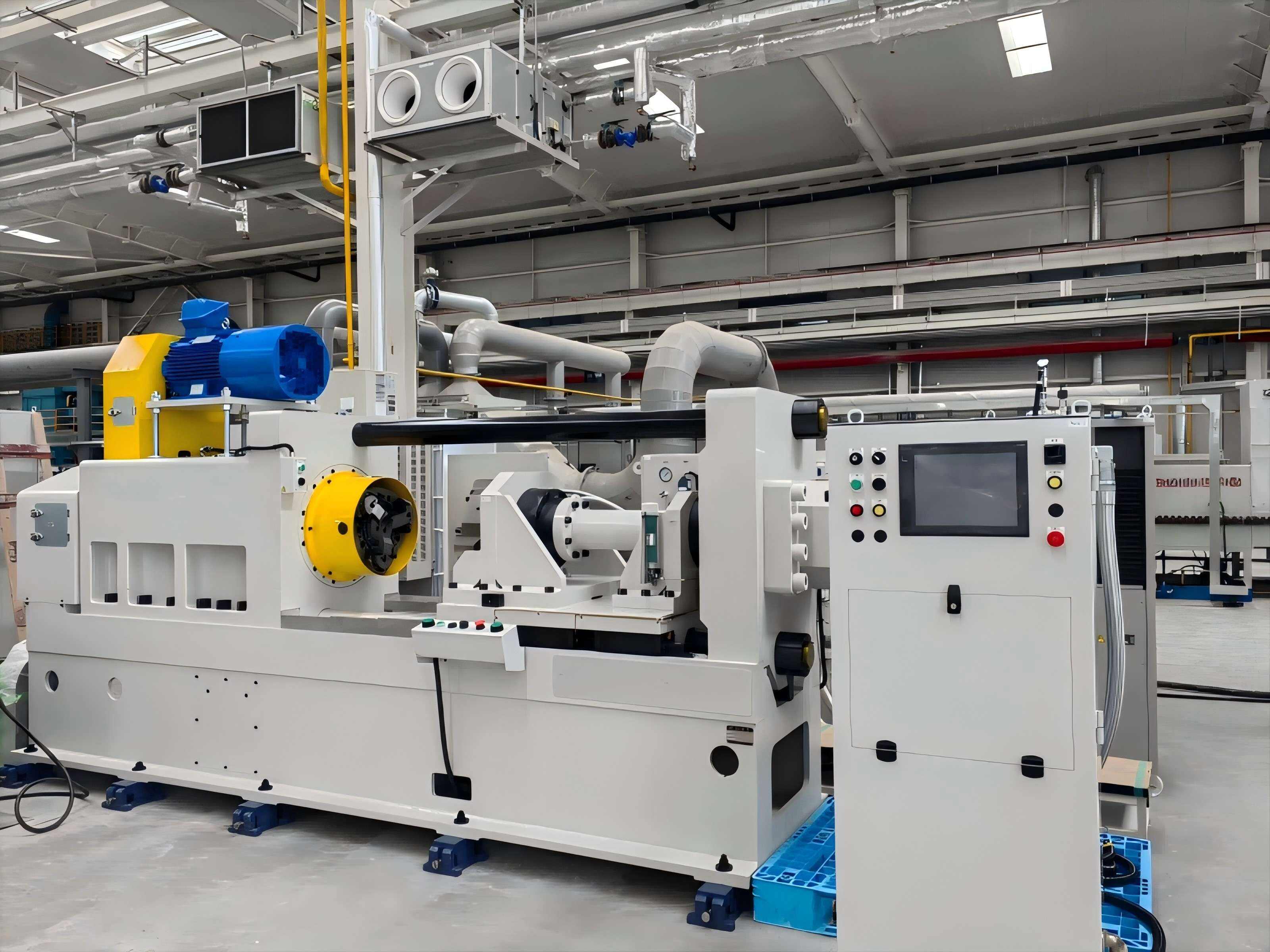
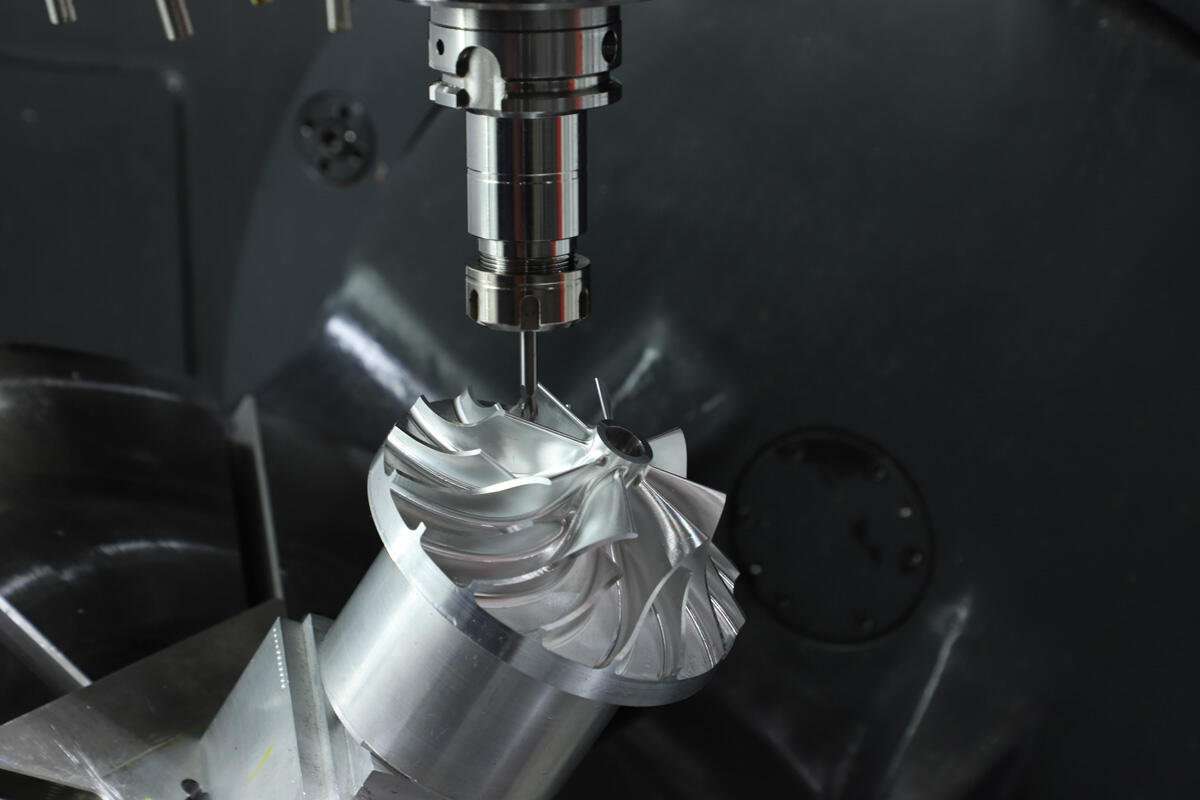
A machine tool based on computer numerical control (CNC) technology that achieves automated machining through programming tool paths. It has multi axis functional linkage, high precision (tolerance ± 0.005mm), high efficiency, and is widely used in the mass production of precision molds, aerospace parts, and complex mechanical structures.
Get A Quote

Advantages of the product

High-Precision Machining

Utilizes linear scales (resolution 0.1μm) and backlash compensation to maintain tight tolerances (±0.005mm) and repeatability (±0.002mm). Essential for aerospace components requiring geometric tolerances within ±5 arc seconds.

Related products

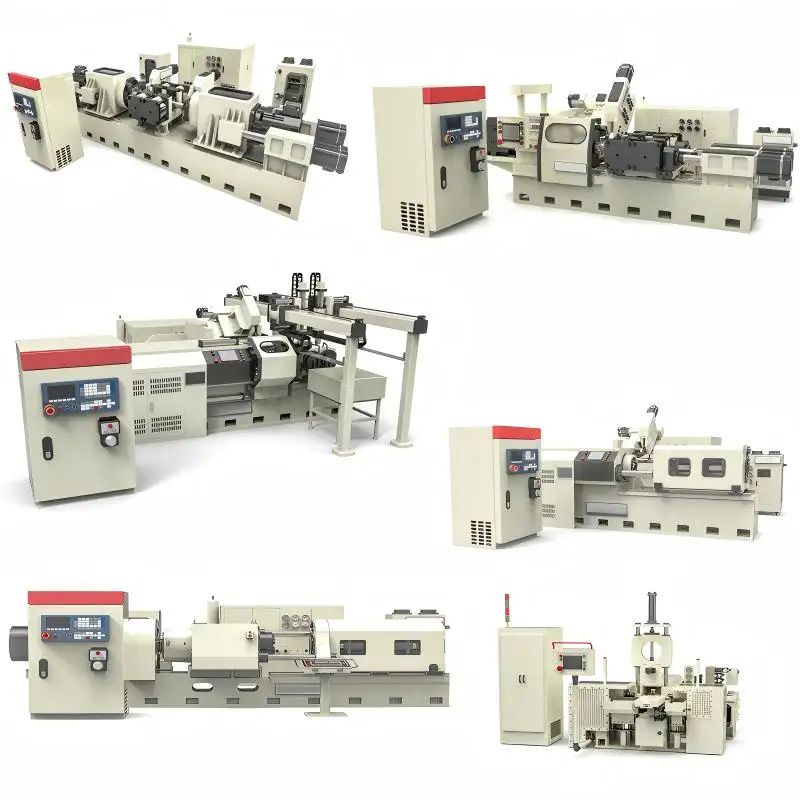
A CNC lathe is a computer controlled machine tool designed for the precision machining of cylindrical or conical workpieces through rotational motion, where the workpiece spins while a stationary cutting tool shapes it to achieve desired dimensions and surface finishes. WondersunM, a leading one stop industrial supply provider with over 25 years of expertise, offers a range of CNC lathes that combine advanced automation, robust construction, and high precision, catering to industries such as automotive, aerospace, and general machinery manufacturing. These lathes are engineered to streamline production processes, from single part prototyping to high volume production of shafts, bushings, flanges, and other rotational components. The core strength of WondersunM’s CNC lathes lies in their high precision spindle systems, which deliver exceptional rotational stability with minimal runout (often less than 0.001mm). This ensures consistent cutting accuracy, even at high spindle speeds (up to 6,000 RPM or more for small to medium workpieces). The turrets, equipped with multiple tool stations (typically 8 to 12), allow for quick tool changes, enabling sequential operations such as turning, facing, threading, and grooving without manual intervention, significantly reducing cycle times. Many models feature live tooling capabilities, adding milling and drilling functions to expand machining versatility, making them suitable for complex parts that require both rotational and prismatic features. Durability is a key design focus, with machine bases and beds constructed from high grade cast iron, reinforced to dampen vibration and resist deformation under heavy loads. This stability is crucial for maintaining precision during long production runs. The control systems, often featuring user friendly interfaces with conversational programming, allow operators to easily input part dimensions and generate toolpaths, even for intricate geometries. Advanced features like automatic bar feeders and part catchers enable unattended operation, maximizing productivity and reducing labor costs. WondersunM’s CNC lathes are designed to meet global standards, with compliance to ISO 9001 for quality and CE for safety, ensuring seamless integration into manufacturing facilities across over 100 countries. The brand offers customization options, such as adjusting spindle size for larger workpieces, adding sub spindles for backworking operations, or integrating robotic handling systems for fully automated production lines. Backed by a dedicated technical team providing on site installation, operator training, and responsive after sales support, these CNC lathes empower manufacturers to achieve consistent quality, improve efficiency, and adapt to evolving production needs—aligning with WondersunM’s mission to enhance processing capabilities and simplify industrial operations.

Frequently Asked Questions

What materials can CNC machines process?

They handle steel, aluminum, titanium, and composites, with heavy-duty models suitable for Inconel and aerospace alloys, achieving volumetric accuracy ≤±0.05mm/m.
Yes, they support G-code, CAM software (e.g., Mastercam), and 3D simulation to optimize tool paths, prevent collisions, and ensure first-pass accuracy in complex part production.

Related Articles

Enhancing Quality Control with Digital Calipers

03

Jun

Enhancing Quality Control with Digital Calipers

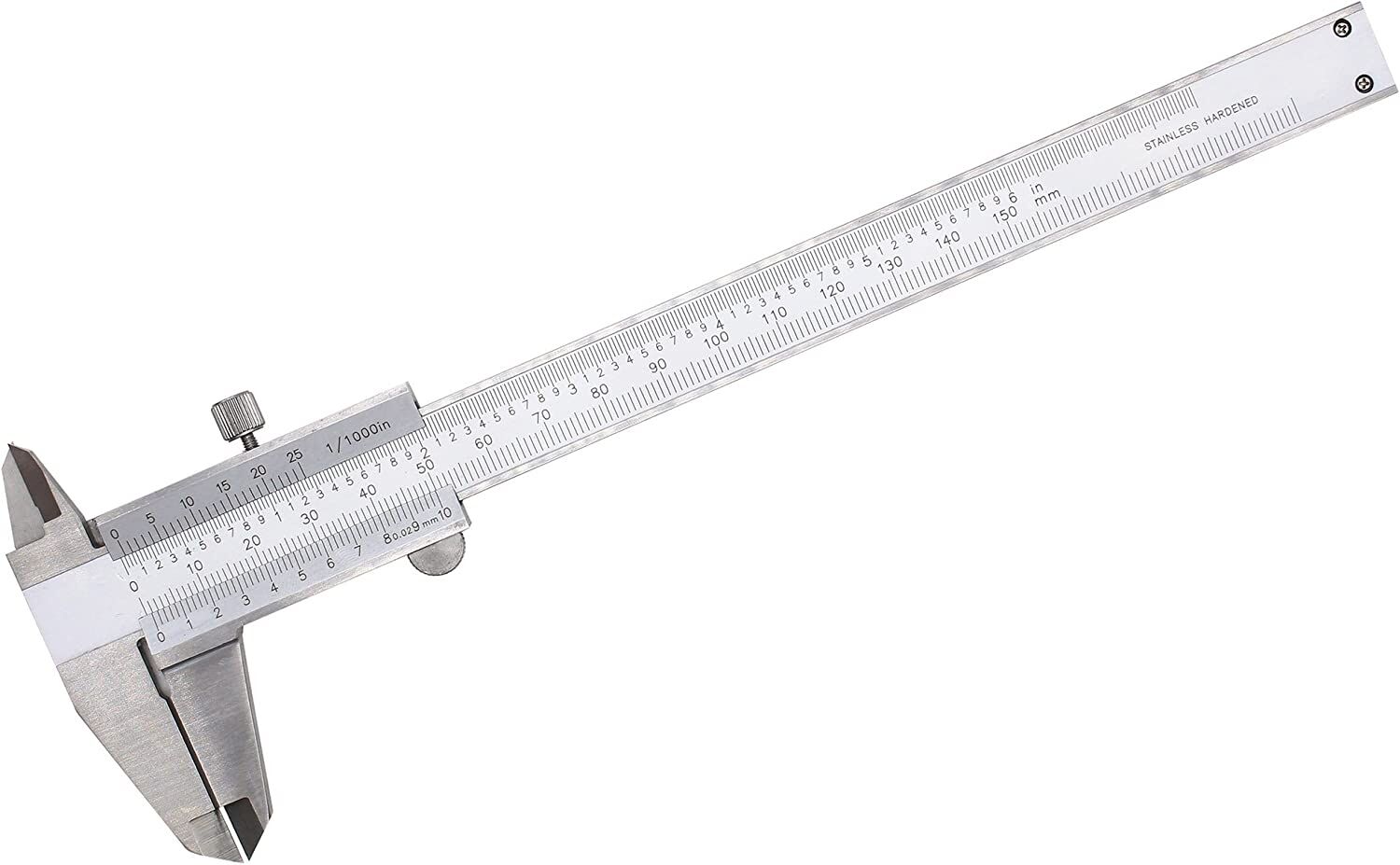
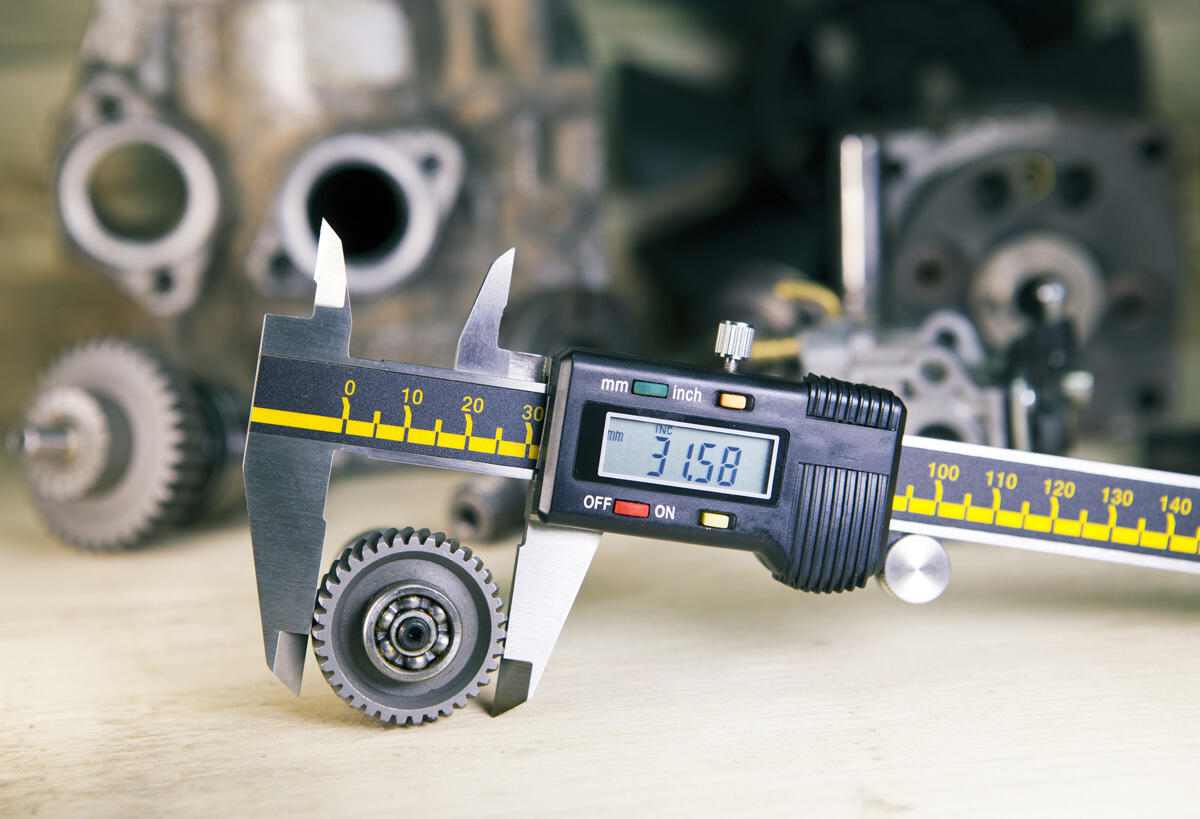
Like any other industry, automation put a premium on precision and accuracy. In every field, digital calipers are considered to be one of the utmost importance to the quality control system, giving invaluable service to industry which sustains qualit...
View More
Choosing the Right Tool Holder for Optimal Performance

03

Jun

Choosing the Right Tool Holder for Optimal Performance

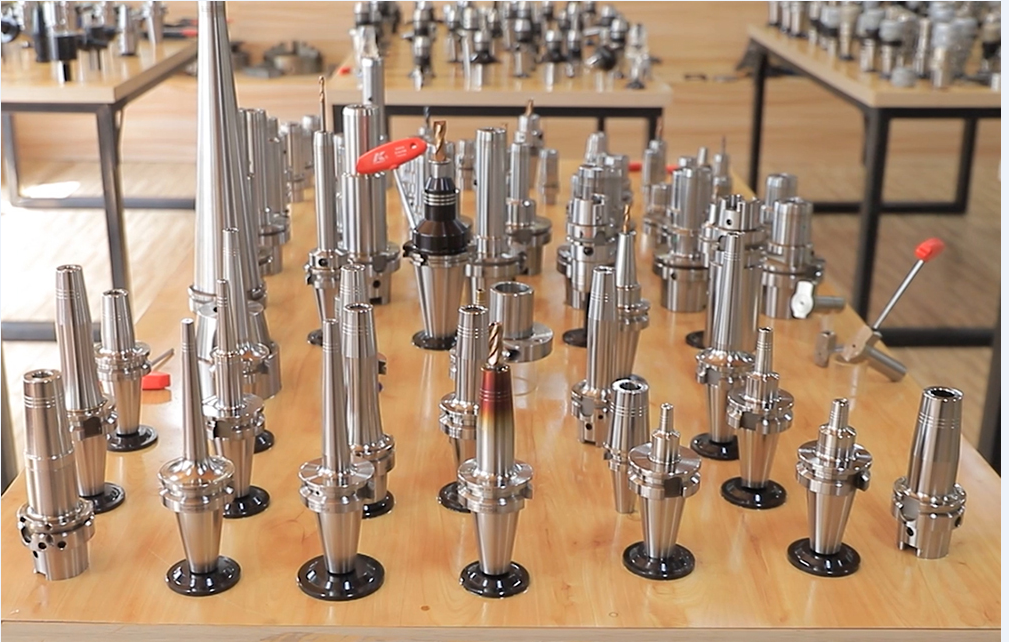
Achieving optimal results in manufacturing and machining industries begins with selecting the correct tool holder. Tool holders provide fundamental functions consisting of holding cutting tools in position securely and providing required accuracy a...
View More
Exploring the Benefits of Friction Welding Machines

03

Jun

Exploring the Benefits of Friction Welding Machines

Friction welding machines have the unique reliable ability to combine materials which has revolutionized the manufacturing sector. Unlike the traditional methods that auxiliary materials for the welding, this new technology employs the motion of the ...
View More
Maximizing Efficiency with Advanced CNC Machines

26

Sep

Maximizing Efficiency with Advanced CNC Machines

In the contemporary manufacturing landscape efficiency is the cornerstone of competitiveness and profitability. Advanced Computer Numerical Control CNC machines are at the forefront of this drive representing a significant leap beyond basic automated...
View More

Customer Reviews

Sloan

The 5-axis CNC system machined impeller blades with ±0.005mm accuracy, eliminating 70% of traditional setup errors. Real-time thermal compensation kept dimensional stability within ±0.003mm/h during 24/7 operations.

Get a Free Quote

Our representative will contact you soon.
Email
Mobile/WhatsApp
Name
Company Name
Message
0/1000
Thermal Stability Design

Thermal Stability Design

Incorporates liquid-cooled spindles and heat-resistant alloys, maintaining dimensional stability (thermal drift ≤±0.003mm/h) during prolonged operations. Critical for 24/7 production in automotive and electronics industries.
Heavy-Duty Construction

Heavy-Duty Construction

Built with cast iron or granite bases (rigidity ≥50N·m/μm) and linear motors for high acceleration (1g), handling heavy cuts in steel and Inconel. Suitable for large-scale machining of aerospace structural parts and industrial equipment.
Industry 4.0 Compatibility

Industry 4.0 Compatibility

Integrates with IoT sensors and ERP systems for real-time performance monitoring and predictive maintenance. Reduces unplanned downtime by 40% through vibration and temperature analytics, supporting smart factory initiatives.