
 EN
EN
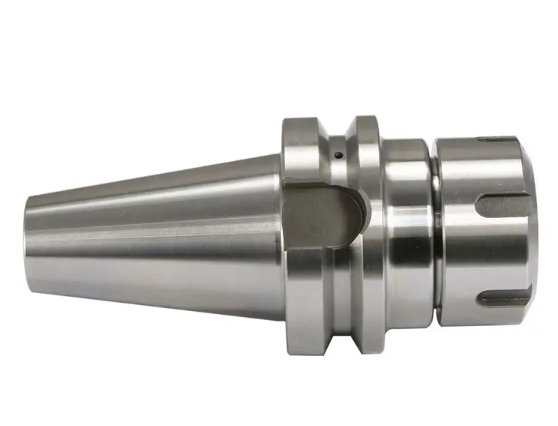
In the high precision world of modern manufacturing, the CNC machine stands as the cornerstone of productivity and accuracy. Yet, its performance is only as reliable as the components that form its working interface. Among these, the tool holder plays a pivotal role, acting as the critical link between the machine spindle and the cutting tool. Selecting a compatible tool holder is not merely a procedural step but a fundamental decision that directly impacts machining quality, surface finish, tool life, and overall equipment safety. For brands committed to precision and innovation like WondersunM by BLUESTAR, understanding these nuances is embedded in the design and production of every machine tool accessory offered.
The consequences of incompatibility can be severe, ranging from poor part quality and accelerated tool wear to catastrophic spindle damage and operator hazard. Therefore, a systematic approach to selection is paramount. This article outlines the key considerations for ensuring perfect harmony between your tool holder and your CNC machine.
Understanding the Machine Spindle Interface
The first and most critical step is to understand the spindle of your CNC machine. The spindle interface defines the physical and functional connection point.
-
Spindle Taper Type: This is the primary identifier. Common standard tapers include CAT (also known as V-flange), BT, HSK, and ISO. Each has unique geometries and clamping mechanisms. Using a CAT tool holder in a BT spindle, for instance, is physically impossible and attempting to force compatibility can destroy the spindle.
-
Drawbar Mechanism: The tool holder is retained in the spindle by a drawbar that provides the pulling force. The required drawbar force and the specific mechanism (such as a retention knob thread type for CAT/BT) must match. An incorrect retention knob can lead to tool holder ejection during operation.
-
Spindle Capacity: Consider the spindle’s maximum speed (RPM) and power. High-speed applications demand tool holders rated for those speeds, typically balanced to a specific grade.
Evaluating Tool Holder Characteristics
Once the spindle interface is confirmed, the focus shifts to the tool holder’s own specifications and its intended application.
-
Taper Integrity and Cleanliness: Even with the correct taper type, the taper surface must be immaculate and free from dents, scratches, or corrosion. Any imperfection reduces contact area, leading to poor rigidity, vibration (chatter), and reduced accuracy. Brands like WondersunM emphasize stringent quality control in production to ensure flawless taper geometry and surface finish.
-
Balancing Grade (G-value): Unbalance in a rotating tool holder assembly creates centrifugal force, which increases exponentially with spindle speed. This causes vibration, poor surface finish, and bearing wear. For high-speed machining, a tool holder balanced to a higher standard (e.g., G2.5 or G1.0 at a specified RPM) is essential. The required balancing grade depends on the CNC machine's operational speed and the tolerance of the workpiece.
-
Clamping System (For the Cutting Tool): This refers to how the cutting tool is held within the tool holder. Common types include collet chucks (like ER), hydraulic chucks, shrink-fit holders, and milling chucks. Each offers different levels of gripping force, runout accuracy, and damping characteristics. The choice depends on the operation—fine finishing requires minimal runout (provided by precision collets or shrink-fit), while heavy roughing demands high rigidity and torque transmission.
Application Specific Requirements
The machining task itself dictates further specifications for the tool holder.
-
Rigidity and Overhang: Longer tool holders or extensions reduce rigidity. Selecting the shortest possible tool holder for the job minimizes deflection, improving accuracy and allowing for more aggressive cutting parameters. Modular systems can offer flexibility but must be used judiciously.
-
Coolant Delivery: Many modern operations require internal coolant through the tool. The tool holder must be equipped with the proper internal coolant channels and seals to deliver high-pressure coolant effectively to the cutting edge, extending tool life and improving chip evacuation.
-
Thermal Stability: During high-speed or long-duration machining, heat generation is inevitable. Quality tool holders are manufactured from materials and processes that ensure thermal stability, maintaining dimensional accuracy and clamping force as temperatures change.
The Importance of Quality and Maintenance
Compatibility is not a one-time check but an ongoing commitment. Even a perfectly matched tool holder will fail if not properly maintained.
-
Material and Manufacturing Quality: A superior tool holder is made from high-grade alloy steel, undergoes precise heat treatment for optimal hardness and toughness, and is finished with grinding processes that achieve micron-level accuracy. This ensures durability, consistency, and reliability—hallmarks of the WondersunM brand philosophy.
-
Preventive Maintenance and Inspection: Regular cleaning of the taper and spindle socket is non-negotiable. Periodic inspection for wear, especially on the clamping mechanism and retention knob threads, prevents unexpected failures. Using a presetter to accurately measure tool length and runout before loading into the CNC machine is a best practice that safeguards the entire process.
In conclusion, achieving optimal performance from your CNC machine is a symphony of coordinated components. The tool holder is a lead performer in this orchestra. Compatibility is multifaceted, encompassing mechanical fit, dynamic performance, and application suitability. Neglecting any aspect can compromise results and incur significant costs. By partnering with a supplier dedicated to precision, quality control, and innovation—such as BLUESTAR through its WondersunM brand of machine tool accessories—manufacturers gain more than just a component. They gain a guarantee of engineered compatibility, reliable performance, and the first-level service and support that ensures their CNC machinery operates at its peak potential, making every project a testament to efficiency and excellence. Choosing the correct tool holder is not just a consideration; it is the foundation of successful machining.