
 EN
EN
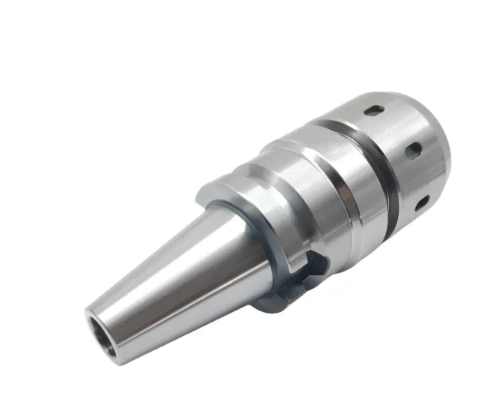
Why Lathe Chuck Maintenance Directly Impacts Workpiece Holding Security
How wear, misalignment, and contamination degrade concentricity and grip force
When scroll mechanisms get worn down and the jaw teeth start showing signs of wear, clamping force drops significantly, sometimes as much as 40%. Particles getting trapped between the jaws also cause problems because they create uneven pressure across the workpiece. This messes up concentricity which is so important for precision turning jobs. Even small misalignments can lead to runout measurements over 0.005 inches, something that really matters in tight tolerance applications. The constant heating and cooling cycles take their toll on metal parts too, speeding up fatigue in chuck components and weakening the overall grip. That's why regular checks matter so much. Look closely at those jaw teeth for any deformation and check scroll wear patterns regularly before they start impacting machining accuracy. If left unchecked, all these little issues build up over time. During high RPM operations, they create annoying vibration patterns that not only shorten tool life but also result in parts that don't meet specifications. Shop floor experience shows that catching these problems early saves both time and money in the long run.
Safety implications of neglected maintenance: slippage, ejection, and operator injury
Neglecting chuck maintenance creates serious safety issues. According to OSHA data from 2023, around one out of every four lathe accidents happens because workpieces aren't properly secured in place. If the gripping power drops beneath what's needed, the spinning motion can actually fling material away at speeds over 60 miles per hour, turning them into dangerous projectiles. Most slippage problems happen when cutting gets interrupted or during heavy facing operations, where sudden changes in torque beat down on already weak clamping forces. These kinds of failures don't just ruin tools or machines; they put operators at real risk of getting hit by flying debris. That's why checking chuck integrity should be part of every morning routine. Workers need to look closely at how deep the jaws are engaging and ensure consistent torque across all points before starting up the spindle.
Essential Lathe Chuck Maintenance Procedures for Consistent Clamping Performance
Jaw Inspection, Cleaning, and Re-Indexing for Optimal 3-Jaw Chuck Alignment
Checking those jaws regularly isn't just good practice, it's essential for keeping workpieces securely held during machining operations. Left unchecked, metal chips and coolant buildup can actually cut down on clamping power by around 40%. When cleaning time comes, take the jaws off first and give those contact areas a good scrub with something gentle like mineral spirits or similar non-abrasive cleaners. Wire brushes are out of the question since they'll scratch those precision surfaces right away. To check how worn down the teeth have gotten, grab some calipers and measure them up. If they're worn past half a millimeter, it's definitely time for replacements. With three jaw chucks specifically, make sure to line up each jaw properly on the scroll plate following those numbered slots so everything stays aligned within 0.03mm tolerance. After putting everything back together, run a quick test with a dial indicator to confirm all the jaws sit parallel to each other. This simple step prevents headaches later when trying to achieve tight tolerances on finished parts.
Precision Lubrication of Scroll Mechanism and Jaw Threads to Prevent Corrosion and Binding
Proper lubrication is essential for avoiding serious problems in key parts of machinery. When working on the scroll mechanism, stick to high viscosity lithium grease but don't go overboard since too much grease actually draws in metal particles that speed up wear issues. For those jaw threads, reach for something like Vactra #2 oil which fights corrosion effectively. Pay special attention to those root grooves where water tends to collect over time. A good rule of thumb is to refresh this lubricant once a month or around every 200 hours of operation. The benefits are pretty significant too, cutting down power losses from friction by about 15% while also stopping those annoying thread galling problems that can cause complete jaw lockups. After applying any lubricant, take a moment to turn the chuck by hand first. This helps spread everything out properly before getting the whole system running again.
Maximizing Holding Security Through Jaw Condition and Clamping Optimization
Jaw wear patterns and clamping force calibration are critical factors influencing workpiece security during turning operations. Unevenly worn or damaged jaws create localized stress concentrations that compromise concentricity and reduce effective grip by up to 40%. Implement these key optimizations:
- Progressive Jaw Inspection: Measure wear depth at multiple contact points quarterly using precision gauges, replacing jaws exceeding 0.2 mm deviation
- Dynamic Clamping Adjustment: Increase clamping force incrementally for asymmetrical workpieces while monitoring surface deformation through dial indicators
- Contact Surface Optimization: Apply micro-grooved jaw inserts that increase friction coefficients by 55% without marring finishes
The latest Metalworking Tech Report for 2024 shows something interesting about those pesky workpiece slippage problems. Turns out, around 45% actually happen because the jaws aren't properly aligned rather than just not having enough gripping power. Corrosion buildup inside those scroll mechanisms creates binding issues that make parts pop out unexpectedly when running at speed. Before starting any job, machinists need to check both how clean those jaws are and whether force is distributed evenly across them. This two-pronged approach stops parts from flying off completely and also helps keep delicate thin-walled components from getting crushed or bent during processing. Most shops have seen this happen when they skip these basic checks, so taking five extra minutes can save hours of downtime later on.
Critical Lathe Chuck Safety Protocols to Prevent Catastrophic Failure
Chuck key removal, workpiece seating verification, and sequential jaw tightening
Strict safety measures around lathe chucks are essential to stop workpieces from flying out and causing injuries. Start by taking out the chuck key right away after making any jaw adjustments. Left behind keys turn into dangerous flying objects when the spindle spins, and according to OSHA data from 2023, these account for nearly a quarter of all lathe accidents. Next, make sure the workpiece sits completely flat against the backplate of the chuck using a dial indicator. Even something as small as a tenth of a millimeter off center can cut down on clamping power by almost half. For tightening, follow a crisscross sequence like going from Jaw 1 to Jaw 3 then to Jaw 2. This spreads out the pressure properly across the chuck. Skipping this step leads to warped scroll mechanisms and weak grip points over time. Before turning on the machine, operators should double check they've completed each of these safety checks to minimize the risk of anything getting thrown out unexpectedly.