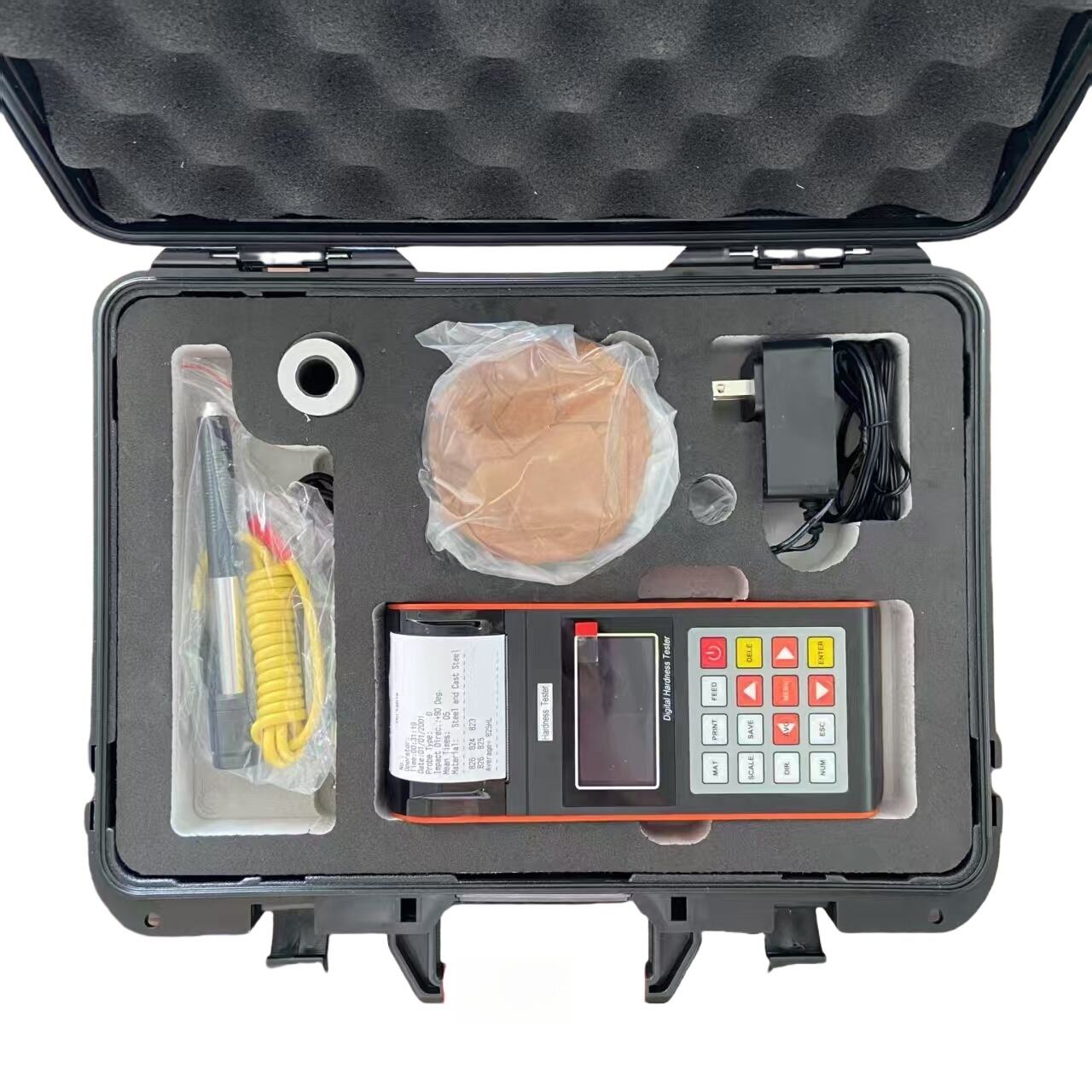
Hardness Tester: Accurate Material Hardness Analysis for Heat-Treated Metals

All Categories

Get a Free Quote

Our representative will contact you soon.
Email
Mobile/WhatsApp
Name
Company Name
Message
0/1000

Hardness Tester: Types, Applications, and Selection Guide for Material Testing

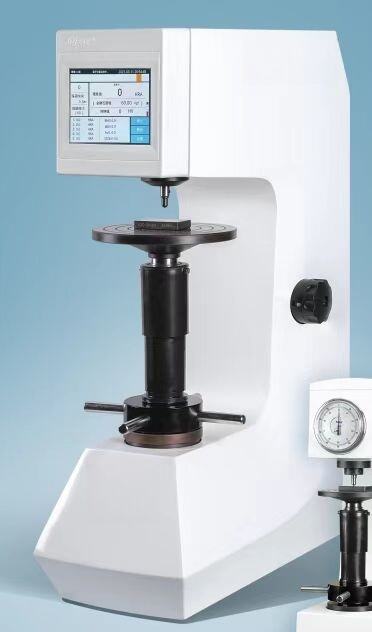
A device for detecting material hardness values, including Rockwell and Brinell types. It is used for performance evaluation of heat-treated metal materials to ensure workpiece strength meets design requirements, widely applied in machining, metallurgy, and hardware manufacturing.
Get A Quote

Advantages of the product

Accurate Material Analysis

Provides precise hardness values (Rockwell HRC, Brinell HB) with ±1% accuracy, ensuring compliance with ASTM E18 and ISO 6507 standards. Critical for verifying heat treatment quality in gears, bearings, and structural components.

Related products

Core Functions & Technologies

Gas detectors use electrochemical, infrared (IR), and catalytic combustion sensors to monitor hazardous gases. Critical for preventing explosions (e.g., methane in LEL detection) and toxic exposure (CO, H₂S), they safeguard workers in oil refineries, chemical plants, and confined spaces. OSHA links 20% of industrial accidents to gas-related risks.

Key Detector Types

1. Combustible Gas Detectors
  • Tech: Catalytic (cost-effective) or IR (resistant to poisoning).
  • Use: Oil & gas pipelines, fuel storage—alerts at 10% LEL.
2. Toxic Gas Detectors
  • Sensors: Electrochemical (CO, H₂S) with <15s response.
  • Applications: Mining (H₂S), automotive (NOx).
3. Oxygen Monitors
  • Alerts below 19.5% O₂ in tanks/silos to prevent asphyxiation.

Advanced Features & Compliance

1. Smart Integration
IoT connectivity (Bluetooth/LoRaWAN) enables remote monitoring. Multigas detectors with AI reduce false alarms in complex sites.
2. Regulatory Standards
  • OSHA: 10% LEL for combustibles, TLV for toxins.
  • EN 50271: EU performance testing mandate.
  • Non-compliance example: €1.2M fine in 2023 CO leak case.

Maintenance Tips

  • Calibration: Catalytic sensors yearly, electrochemical every 3–6 months.
  • Bump Tests: Daily checks with gas cartridges ensure responsiveness.
  • Lifespan: Sensors last 2–5 years (e.g., CO sensors ~3 years).

Market Outlook

The global market (forecast $3.2B by 2028) grows with:
  • Industrial automation (PLC/SCADA integration).
  • Demand for H₂ detectors in fuel cells and CO₂ monitors.
  • Wearable devices with GPS for field workers.
Nanomaterial sensors and AI-driven maintenance will enhance sensitivity and reliability.

Conclusion

Gas detectors are vital for industrial safety, merging tech innovation with compliance. Contact WondersunM for tailored solutions meeting global standards.

Frequently Asked Questions

What data management features do digital models have?

They store up to 500 readings with time/date stamps, support USB data transfer for trend analysis, and comply with ISO 9001 for quality documentation.

Related Articles

Innovations in Laser Cutting Machines for Modern Industries

03

Jun

Innovations in Laser Cutting Machines for Modern Industries

The last few years have seen a major boost in the manufacturing industry with the introduction of precise laser cutting technologies. In today’s article, I’ll be outlining the history of laser cutting machines and their significance to co...
View More
Choosing the Right Tool Holder for Optimal Performance

03

Jun

Choosing the Right Tool Holder for Optimal Performance

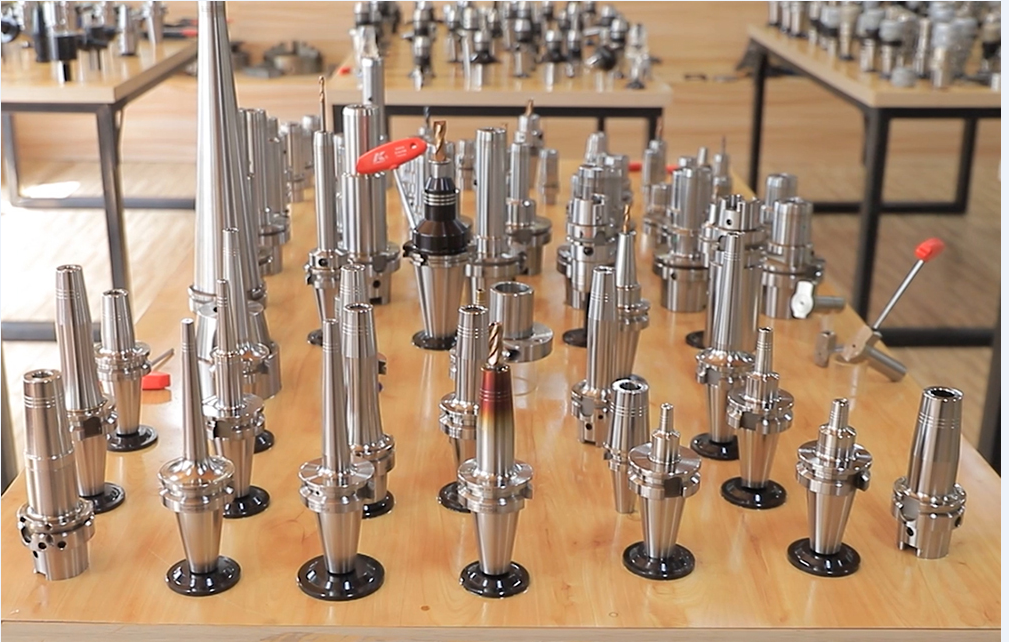
Achieving optimal results in manufacturing and machining industries begins with selecting the correct tool holder. Tool holders provide fundamental functions consisting of holding cutting tools in position securely and providing required accuracy a...
View More
Exploring the Benefits of Friction Welding Machines

03

Jun

Exploring the Benefits of Friction Welding Machines

Friction welding machines have the unique reliable ability to combine materials which has revolutionized the manufacturing sector. Unlike the traditional methods that auxiliary materials for the welding, this new technology employs the motion of the ...
View More
Maximizing Efficiency with Advanced CNC Machines

26

Sep

Maximizing Efficiency with Advanced CNC Machines

In the contemporary manufacturing landscape efficiency is the cornerstone of competitiveness and profitability. Advanced Computer Numerical Control CNC machines are at the forefront of this drive representing a significant leap beyond basic automated...
View More

Customer Reviews

Isabella

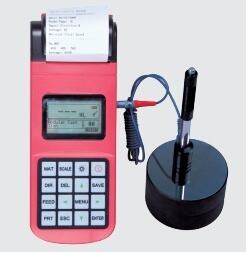
The 2kg portable Brinell tester allowed on-site inspection of wind turbine shafts. Its non-destructive rebound method preserved component integrity, saving 50% time vs. traditional lab testing.

Get a Free Quote

Our representative will contact you soon.
Email
Mobile/WhatsApp
Name
Company Name
Message
0/1000
Data Traceability

Data Traceability

Digital models store up to 500 readings with time/date stamps, supporting quality control documentation and ISO 9001 compliance. USB connectivity allows data transfer to PCs for trend analysis.
Heavy-Duty Construction

Heavy-Duty Construction

Industrial-grade testers feature reinforced frames and shock-absorbing bases, withstanding drops and vibrations in foundries and construction sites. Hardened steel anvils (60-65HRC) resist wear from frequent use.
Global Industry Adoption

Global Industry Adoption

Widely used in metallurgy, automotive, and manufacturing for incoming material inspection, process validation, and final product testing. Meets regional standards like GB/T 230.1 in China and JIS Z2245 in Japan.