
 EN
EN
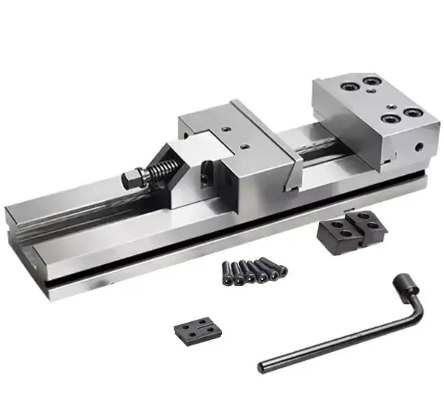
Matching Vise Type to Industrial Application and Machine Integration
Picking out the right industrial vise means matching its build to what kind of machining work needs doing plus how much space there is on the machine itself. For those heavy duty milling jobs, nothing beats a solid hydraulic or pneumatic vise that can hold fast even when things get shaky during intense cuts. These models keep their grip despite all the vibrations and pounding forces involved. On the flip side, when working on fine details like grinding surfaces or checking measurements at inspection stations, mechanical or modular vises come into play. They offer those tiny adjustments down to microns which stops parts from warping during processing. Most machinists know this makes all the difference between good results and scrapped materials.
The vise needs to fit properly on the machining center table. Check if it works with the T-slots first thing. Make sure there's enough space between jaws so tools can move freely without getting stuck. Also important is how well it holds up when exposed to coolants during operation. Getting these basics wrong leads to all sorts of trouble down the road fixture failures happen more often, tools crash into things they shouldn't, materials get ruined, and machines sit idle waiting for fixes. Taking time to get this right from the start means better security for parts being held, smoother operations overall, and ultimately saves money in the long run for shops dealing with their specific manufacturing challenges day after day.
Sizing for Strength: Jaw Capacity, Throat Depth, and Clamping Force Requirements
When picking out a vise, three main factors decide if it will work for what needs to be done: how big the jaws are, how deep they go, and how hard they can hold on. The jaw size basically means how wide of a piece the vise can grab without slipping off the edges. Make sure this number beats whatever's the widest part you need to clamp down. Then there's throat depth, which measures how far down from the top of the jaws to where the metal body starts. This matters a lot when working with taller pieces. If the throat isn't deep enough, things tend to wobble around when making heavy cuts, leading to vibrations that mess up the job quality.
The clamping force needs to handle those peak machining pressures with some extra capacity built in just to be safe. Most industry guidelines suggest going for about double to triple what the cutting load might actually reach during operations. Take milling as an example if we're dealing with around 1200 pounds of force from the machine itself, then our vise should ideally provide somewhere between 2400 and 3600 pounds of grip strength to stop anything from slipping out mid-cut. How deep the workpiece sits in the jaws makes a big difference too. When there's more surface area touching the jaws, less pressure is needed overall. But when parts stick out too far beyond the support points, that creates leverage issues which can cause problems down the line. Getting these numbers wrong either way isn't great for business. Too little grip means parts move around or tools get damaged. Go way overboard on specs though, and we end up spending more money than necessary both upfront and in ongoing maintenance costs.
Preserving Workpiece Integrity: Jaw Materials, Surface Protection, and Compatibility
Forged steel jaws provide optimal durability for industrial vises, offering 30–40% higher tensile strength than cast alternatives—critical for resisting deformation during high-force operations. Heat-tempered surfaces maintain clamping precision across thousands of cycles, minimizing slippage risk. Material selection directly shapes surface protection strategy:
| Feature | Coated Jaws | Uncoated Jaws |
|---|---|---|
| Surface Grip | Reduced slippage on polished metals | Maximum bite on textured surfaces |
| Protection Level | Anti-scratch layer safeguards delicate finishes | Direct contact for high-force tasks |
| Ideal Use Case | Precision machining of finished components | Heavy-duty milling of raw materials |
Soft jaw inserts help protect fragile or thin-walled components during machining operations because they spread out the clamping force across specially designed contours. When dealing with oddly shaped pieces, manufacturers often opt for jaws with textured or serrated surfaces since these create better grip and stop parts from spinning around while being worked on. The Precision Machined Parts Association reports that when shops follow proper jaw maintenance routines including regular cleaning to get rid of oil buildup, coolant leftovers, and all sorts of debris before tightening down, they see roughly a 19% drop in rejected parts caused by surface damage. This makes sense practically speaking as clean jaws just work better overall.
Ensuring Precision and Reliability: Clamping Mechanisms and Mounting Stability
The quality of precision machining really hinges on two main factors working together: how well the vise holds things in place and whether it's mounted securely enough. Screw driven vises give operators that nice feel for adjusting grip strength, though this means someone has to keep turning them by hand. Hydraulic and pneumatic systems work differently. They apply pressure quickly and consistently, which makes them great for when lots of parts need processing at once. But there's a catch here too. These systems must be properly set up so they don't squeeze too hard and warp whatever is being held. Getting this balance right between holding power and avoiding damage remains critical across all types of manufacturing operations.
How the vise connects to the machine table matters just as much as everything else. When bolts go straight through those precision ground mounting slots, it helps fight off vibrations. But if the contact surfaces aren't even or properly prepped, tiny movements happen that actually build up into bigger dimensional problems over time. Anyone working with tolerances under 0.001 inches really needs vises that have thermal expansion features plus hardened contact points that are properly ground. Getting at least 80% contact between base and table is pretty much mandatory nowadays. And when tightening those mounting bolts, following the star pattern according to what the manufacturer specifies makes all the difference. Skip any of these basics and watch out for compounded errors, wasted materials, and tools wearing out way too fast, particularly when doing heavy duty milling work where precision counts most.
Table of Contents
- Matching Vise Type to Industrial Application and Machine Integration
- Sizing for Strength: Jaw Capacity, Throat Depth, and Clamping Force Requirements
- Preserving Workpiece Integrity: Jaw Materials, Surface Protection, and Compatibility
- Ensuring Precision and Reliability: Clamping Mechanisms and Mounting Stability