
 EN
EN
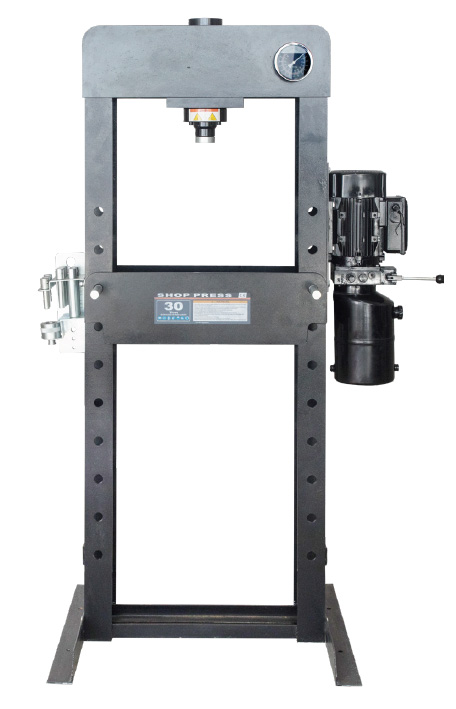
Force Monitoring and Load Accuracy in Metal Fabrication
In heavy metal fabrication maintaining real time visibility over applied hydraulic force is critical for preventing material fracture and structural overload. Operators relying on a hydraulic shop press need exact pressure readings to manage bearing insertion bending operations and shaft straightening routines. Without a calibrated pressure gauge attached to the shop press cylinder technicians risk applying excessive tonnage that can deform custom dies or crack hardened alloy workpieces. Integrating a high precision pressure gauge transforms a standard shop press into a versatile force measurement system suitable for tight tolerance assembly tasks. In structural steel shops precise force control ensures that press fit bearings seat properly without galling or compromising mating surfaces. Technicians using a regulated shop press can systematically record required seating forces to establish consistent quality benchmarks across repetitive manufacturing runs. Consistent load monitoring protects both delicate workpieces and heavy tooling components from sudden mechanical strain. Establishing clear force limits before activating any shop press setup guarantees predictable deformation behavior and prevents costly component distortion on the shop floor. Regular inspection of pressure indicators ensures that hydraulic forces remain balanced throughout the entire stroke length.
Hydraulic Pressure Gauges and Bourdon Tube Standards
Understanding the mechanical operating principles of hydraulic pressure indicators is essential for maintaining accurate force readout on heavy machinery. Most industrial pressure gauges installed on a modern shop press utilize a durable Bourdon tube mechanism capable of converting fluid pressure into precise dial pointer movement. Selecting a glycerin filled gauge for your shop press dampens internal pointer vibration caused by rapid hydraulic pulsing and pump cycles. Compliance with established standards such as ASME B40.100 ensures that pressure monitoring equipment on a shop press maintains strict accuracy grades across its entire operating range. A dual scale gauge displaying both pounds per square inch and operational metric tonnage allows operators to verify shop press force outputs instantly without manual calculation errors. Industrial testing proves that liquid filled gauges installed on a heavy duty shop press resist pointer flutter and internal gear wear four times longer than dry mechanical gauges in high duty cycle environments. Upgrading to a vibration resistant indicator ensures reliable pressure tracking during demanding pressing sequences. Proper gauge selection dramatically reduces measurement drift over thousands of operational press cycles.
Structural Safety and Cylinder Overload Protection
Operating high tonnage hydraulic equipment without visible pressure feedback presents severe safety hazards for machine operators and surrounding shop personnel. An unmonitored shop press can easily exceed its structural frame ratings leading to catastrophic weld failure or side rail buckling under peak hydraulic loads. In a busy automotive repair facility an uncalibrated shop press lacking a functional gauge suffered a cylinder bypass failure that damaged an expensive differential housing and halted work for three days. Installing a certified pressure gauge on every active shop press provides immediate visual warning before system pressure approaches relief valve thresholds. Safety audits adhering to OSHA guidelines and ISO 12100 machinery safety standards emphasize clear load indication as a primary requirement for any industrial shop press installation. Visual force monitoring prevents operators from exceeding rated frame capacities during tough bushing removal or frame alignment procedures. Protecting shop personnel from flying debris or structural deflection requires strict enforcement of maximum operating pressures on all hydraulic pressing equipment. Clear safety labeling paired with accurate gauge dials promotes a proactive safety culture across the entire facility.
Thermal Drift and Fluid Contamination Controls
Fluid dynamics and ambient environmental conditions significantly influence hydraulic press performance during continuous industrial press runs. As hydraulic oil circulates through a shop press under heavy duty cycles thermal expansion and fluid viscosity changes can alter force delivery and gauge accuracy. Contaminated hydraulic fluid containing micro particles can clog delicate gauge ports affecting pressure response time across repetitive shop press operations. Using a protective snubber valve between the gauge and the main manifold absorbs pressure spikes and prevents hydraulic shock from damaging sensitive dial movements. Thermal calibration studies demonstrate that monitoring hydraulic oil temperature prevents up to twenty five percent of pressure readout errors during extended hot pressing shifts. Technicians who perform routine fluid filtration and pressure gauge zero point checks keep their pressing equipment operating within nominal specification ranges. Clean hydraulic oil paired with a protected pressure readout mechanism ensures smooth plunger motion and dependable force output over long production schedules. Routine maintenance protocols safeguard sensitive internal components against premature degradation.
Operational ROI and Defect Prevention in Pressing Operations
Implementing precise pressure control protocols on pressing machinery delivers substantial financial returns by drastically reducing part scrap and rework costs. Uncontrolled pressing force frequently leads to cracked castings bent shafts and misaligned press fits that fail downstream quality inspections. A manufacturing plant that retrofitted its shop press line with digital pressure monitoring instruments achieved a seventy percent reduction in component scrap rates within five months. Utilizing a calibrated shop press for precision assembly guarantees that press fit interferences meet exact engineering specifications every single time. Moreover maintaining documented pressure logs during shop press operations satisfies stringent ISO 9001 quality audit requirements for traceable manufacturing processes. The initial investment in high quality force monitoring gear on a shop press pays for itself rapidly by preventing destroyed workpieces and extending tooling life. Workshop managers recognize that reliable force verification is essential for maintaining high yield rates and safeguarding client satisfaction. Standardized pressure verification routines establish operational consistency across all working shifts.
Manufacturing Capabilities and Global Supply Services
Delivering durable industrial machinery and dependable hydraulic equipment requires partnering with an established manufacturer committed to rigorous engineering standards. Global industrial clients count on BLUESTAR for robust hydraulic machinery precision press components and custom tooling accessories built for heavy duty applications. Backed by state of the art CNC machining centers advanced structural welding facilities and thorough quality testing procedures BLUESTAR manufactures high performance equipment designed for seamless integration into modern metalworking facilities. Robust manufacturing capacity strict quality control protocols and efficient global logistics enable BLUESTAR to provide exceptional long term value and reliable supply fulfillment for industrial operations around the world. Engineers seeking dependable hydraulic force control solutions trust BLUESTAR for rugged machinery designed to perform under demanding production conditions. Equipment from BLUESTAR equips manufacturing facilities to maintain uncompromised safety and precision across all industrial pressing tasks. Professional support teams ensure smooth technical guidance and long term operational reliability.
Table of Contents
- Force Monitoring and Load Accuracy in Metal Fabrication
- Hydraulic Pressure Gauges and Bourdon Tube Standards
- Structural Safety and Cylinder Overload Protection
- Thermal Drift and Fluid Contamination Controls
- Operational ROI and Defect Prevention in Pressing Operations
- Manufacturing Capabilities and Global Supply Services