
 EN
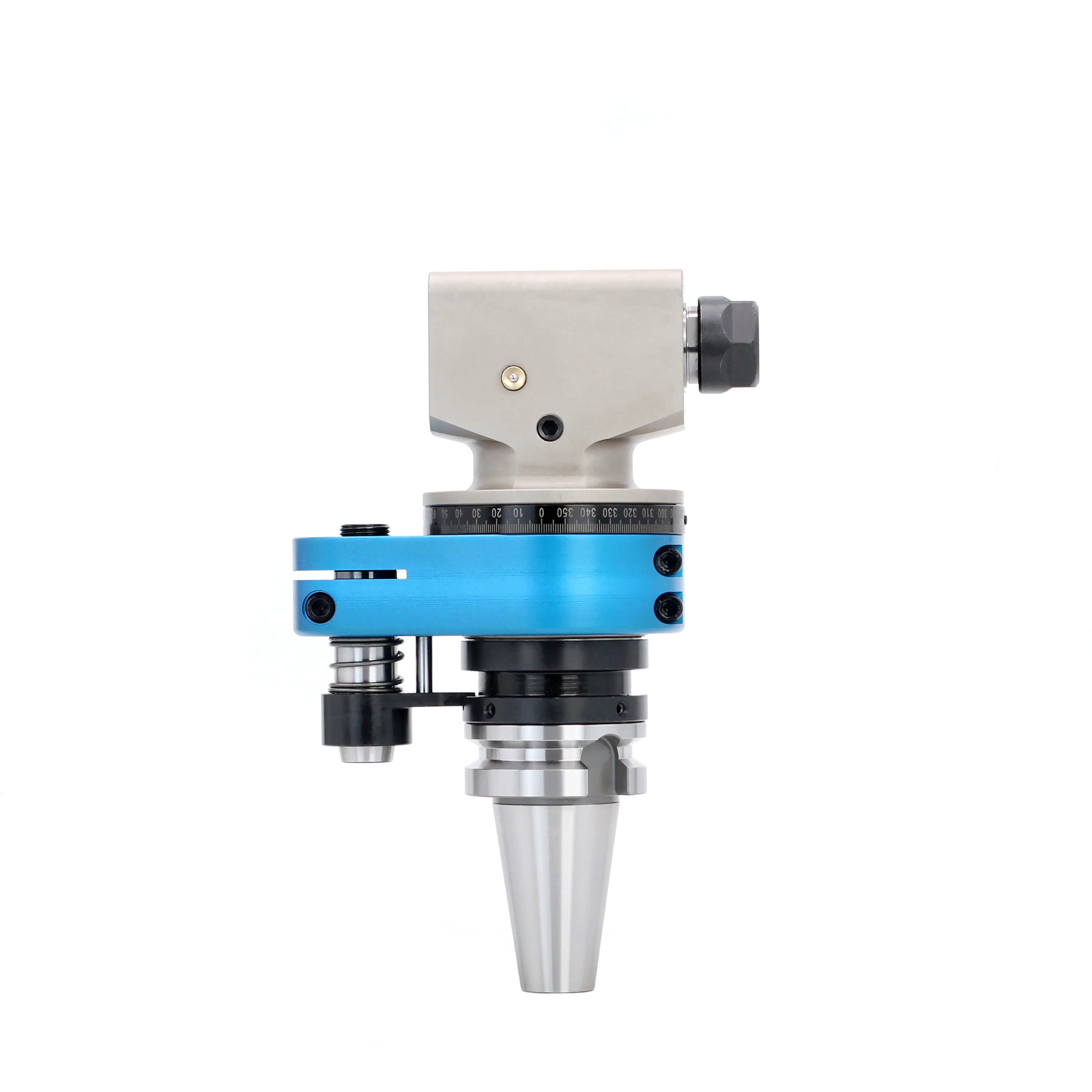
Spindle Interface Demands and Rigid Clamping
When setting up high speed CNC machining centers, engineers quickly discover that machining precision depends heavily on the interface between spindle and cutting tool. Selecting an appropriate tool holder is critical for maintaining rigid alignment, reducing harmonic vibration, and preventing micro movement during aggressive material removal. Standard milling setups often experience subtle positional drift or tool pullout if clamping torque is insufficient for the dynamic cutting forces involved. A high precision tool holder provides the structural rigidity necessary to transfer spindle power efficiently without sacrificing surface finish quality. Industrial machine shops moving toward automated production lines must evaluate spindle taper standards, clamping force limits, and balance ratings when specifying equipment for their machine tools. Modern high speed machining centers depend on a robust tool holder to ensure sub micron runout accuracy and consistent repeatability across thousands of operational cycles. Operational technicians who prioritize taper fit and clamping force when choosing an interface consistently achieve longer tool life and superior surface integrity across complex workpiece alloys. Establishing precise mechanical datum points on the primary spindle interface ensures that programmed cutter paths translate accurately to physical workpieces without requiring tedious manual offsets on the shop floor.
High Speed Spindle Balance and Runout Standards
High speed spindles rotating at over twenty thousand RPM demand exact balance and tight runout tolerances to prevent chatter marks and premature tool failure. Selecting a dynamically balanced tool holder rated for G2.5 balance quality at high speeds eliminates centrifugal force imbalances that cause spindle vibration. High precision options such as hydraulic clamping units, shrink fit systems, and ER collet chucks each offer specific advantages depending on the machining application. A shrink fit tool holder delivers maximum clamping torque and ultra low runout for heavy roughing passes, whereas a hydraulic clamping system provides exceptional vibration damping for delicate finishing operations. Empirical data from aerospace components manufacturing demonstrates that upgrading to a precision balanced tool holder reduced tool chatter by thirty five percent while extending carbide end mill service life by over fifty percent. Maintaining minimal radial runout on the tool holder directly correlates with uniform chip load distribution across all tool flutes during high speed trochoidal milling passes. High precision machining environments depend on these tight structural tolerances to guarantee that finished components satisfy stringent ultrasonic and dimensional quality inspections effortlessly.
Spindle Taper Standards and Dual Contact Technology
Matching spindle taper configurations to shop machinery is essential for ensuring proper contact area and pull stud engagement across different CNC milling platforms. Popular taper standards like CAT40, BT40, HSK, and dual contact systems each require specific handling procedures to preserve taper geometry and clamping force. An HSK tool holder utilizes both face and taper contact to deliver exceptional radial rigidity and torque transfer at ultra high spindle speeds. In contrast, a steep taper unit like CAT40 or BT40 offers rugged performance for general purpose vertical and horizontal machining centers. Heavy machining operations utilizing dual contact systems report significant improvements in bending stiffness compared to traditional steep taper designs. Furthermore, selecting a properly ground tool holder prevents fretting corrosion inside the spindle taper, protecting expensive spindle assemblies from costly repairs and downtime. Production managers who match clamping mechanisms to specific machining tasks maximize overall spindle output and tool system longevity across short run prototyping lines and full production runs.
Thermal Stability and Clamping Bore Integrity
Thermal stability during prolonged heavy cutting operations plays a pivotal role in maintaining consistent tool offsets and workpiece dimensions. Frictional heat generated at the cutting edge transfers through the cutter shank into the tool holder body, inducing subtle thermal expansion. A premium tool holder manufactured from heat treated alloy steel maintains dimensional stability even under severe thermal stress and continuous coolant flushing. Advanced surface coatings and corrosion resistant treatments protect internal clamping bores from coolant residue and abrasive debris accumulation. Testing reveals that a thermal stable tool holder maintains gripping force within ninety eight percent of nominal rating throughout multi shift manufacturing runs. Preventing tool slippage inside the clamping bore eliminates catastrophic cutter breakage and avoids costly part scrap in high value machining sectors. Facility engineers who maintain clean taper surfaces and inspect pull studs regularly ensure that every tool holder operates within nominal design parameters indefinitely across all shift schedules.
Commercial ROI and OEE Enhancement
Investing in high performance tool holding accessories offers substantial economic benefits by maximizing CNC spindle utilization and lowering overall tooling costs. While the initial purchase price of a high accuracy tool holder is higher than commodity alternatives, the return on investment becomes evident within weeks of operation. Reduced tool wear, minimized part rework, and faster changeover times combine to deliver rapid payback for high volume machining facilities. A reliable tool holder protects expensive solid carbide end mills and indexable milling cutters from premature chipping caused by runout. Quantitative shop floor studies show that facilities incorporating a standardized tooling system experience twenty five percent higher overall equipment effectiveness across their CNC milling departments. Minimizing machine idle time associated with tool resetting translates directly to higher throughput and stronger operational margins for competitive engineering businesses. Factory leaders evaluating capital equipment investments recognize that selecting a durable tool holder is fundamental to sustaining lean production goals across expanding manufacturing lines.
Global Manufacturing Capabilities and Supply Services
Selecting the ideal tool holding system requires partnering with an established manufacturer capable of delivering precision engineering support and reliable international fulfillment. Global industrial enterprises trust BLUESTAR for high performance machine tool accessories and precision workholding equipment engineered to meet demanding manufacturing standards. Backed by state of the art CNC grinding machinery, advanced thermal treatment infrastructure, and rigorous quality testing protocols, BLUESTAR delivers precision modular equipment and high accuracy tool holder options designed for seamless integration with leading machine tool platforms. Comprehensive manufacturing capacity, strict material selection standards, and efficient export logistics ensure that BLUESTAR provides dependable long term value for precision machining facilities worldwide. Machine shop managers seeking to optimize spindle productivity rely on BLUESTAR to deliver custom configured tool holder solutions tailored to challenging technical requirements and specialized operational workflows.