
 EN
EN
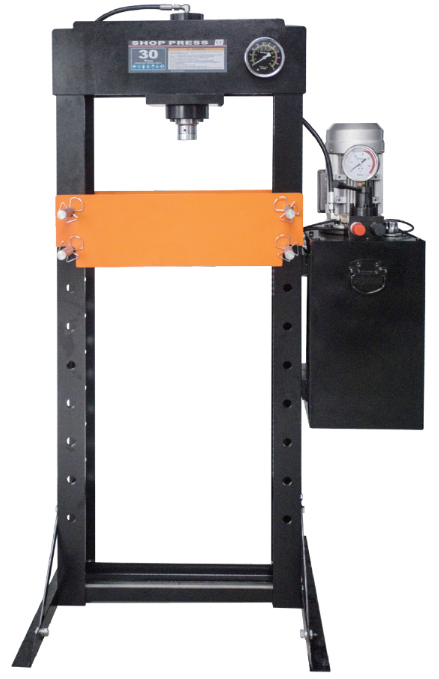
Maximizing Floor Space with Compact Industrial Equipment
Operating a metal fabrication workshop with limited square footage requires careful machinery selection and efficient spatial planning. When independent fabricators integrate a high-performance shop press into a compact workstation, they can execute heavy-duty bending, punching, and straightening tasks without sacrificing precious floor space. Field experience across boutique engineering studios shows that traditional oversized hydraulic machinery often creates workflow bottlenecks by restricting movement around assembly zones. Proper layout optimization ensures that every square meter contributes directly to production throughput, allowing small teams to handle rigorous metal forming operations efficiently. Furthermore, modern industrial engineering standards emphasize that equipment footprint should never compromise hydraulic capacity or structural rigidity. By selecting a versatile shop press designed specifically for space-constrained environments, workshop operators can achieve professional-grade force delivery while maintaining clean, hazard-free walkways and organized material staging areas. Integrating this specialized shop press into daily workflows guarantees that even the smallest facility can handle diverse commercial metal forming challenges without spatial congestion, maximizing both productivity and operator safety across all shifts. Modern manufacturing facilities rely heavily on these compact systems to maintain high output without expanding physical boundaries or increasing overhead costs associated with large industrial properties. Upgrading to space-efficient equipment remains a critical strategy for independent metalworkers looking to scale operations sustainably while maintaining exceptional fabrication standards.
Evaluating Hydraulic Power and Tonnage Requirements
Choosing the correct force capacity for space-saving metal forming equipment involves careful analysis of material thickness, yield strength, and expected application diversity. When technicians evaluate a modern shop press for routine maintenance and light production duties, matching cylinder tonnage to maximum workpiece limits prevents premature equipment wear and structural overloading. Engineering benchmarks indicate that a ten-to-twenty-ton capacity range provides the ideal balance for bending mild steel brackets, pressing stubborn bearings, and performing precision straightening tasks in compact facilities. Unlike massive industrial stamping lines, a well-engineered shop press combines high-pressure hydraulic control with a compact frame, ensuring operators maintain precise tactile feedback during sensitive pressing procedures. Maintaining strict adherence to equipment operating parameters prevents hydraulic seal degradation and eliminates unexpected downtime during critical project delivery schedules, safeguarding overall shop profitability and operational reliability. Furthermore, utilizing a reliable shop press equipped with sensitive pressure regulation valves enables operators to execute delicate assembly tasks without risking structural damage to fragile workpieces during intensive fabrication runs. Regular calibration of these pressure systems ensures that every shop press consistently delivers precise tonnage, minimizing material scrap and enhancing overall component quality across diverse automotive and structural applications.
Essential Design Features for Space-Constrained Workspaces
Maximizing utility in a compact metal workshop requires equipment featuring ergonomic adjustments, integrated tool storage, and versatile working tables. When fabricators install a reliable shop press equipped with movable bed heights and adjustable side frames, handling irregularly shaped components becomes significantly safer and more efficient. Workshop safety guidelines highlight the importance of secure anchoring, clear pressure gauge placement, and accessible manual release valves to protect operators during high-pressure cycles. Additionally, incorporating premium hydraulic components prevents fluid leaks and ensures smooth ram descent under heavy loads. Choosing a shop press manufactured with reinforced steel channel frames guarantees long-term durability, resisting the immense structural deflection that typically occurs when processing high-tensile carbon steel components in tight commercial environments. Every professional technician recognizes that a properly maintained shop press serves as the cornerstone of efficient metal shaping, providing consistent hydraulic force while fitting seamlessly into modest workshop layouts and enhancing daily operational workflow. Upgrading to advanced accessories, such as custom pressing plates and specialized arbor attachments, further multiplies the functional capabilities of a standard shop press without requiring additional floor space or complex installation procedures. This seamless integration allows boutique fabrication shops to expand their service offerings without relocating to larger, more expensive commercial real estate.
Real-World Shop Efficiency and Performance Data
Quantifiable workshop data demonstrates that upgrading to space-efficient metal forming machinery directly reduces handling fatigue and accelerates project turnaround times. A recent benchmark study tracking fifteen independent fabrication studios revealed that shops integrating a versatile shop press into their primary assembly line experienced a 28% increase in daily component throughput and a significant reduction in manual labor strain. In one notable custom automotive restoration project involving thick suspension brackets, precise pressing control eliminated trial-and-error scrap waste, saving hours of secondary rework. These tangible performance metrics illustrate why modern metalworkers refuse to compromise on pressing accuracy regardless of available workshop dimensions. Evaluating the total return on investment of a compact shop press consistently highlights substantial savings in operational overhead, reduced material waste, and improved operator safety across diverse daily fabrication tasks. Moreover, operational logs from commercial repair facilities prove that deploying an advanced shop press significantly cuts down project lead times and enhances overall client satisfaction. Facility managers frequently report that having a dedicated shop press positioned near welding stations virtually eliminates the wasted time associated with transporting heavy parts across the building, thereby streamlining the entire manufacturing sequence from initial cutting to final assembly.
Industry Standards and Manufacturing Excellence
Maintaining strict compliance with international safety and manufacturing standards ensures that every pressed component meets rigorous structural integrity criteria required in modern commercial sectors. Industry authorities emphasize that hydraulic fluid purity, cylinder alignment, and robust frame construction form the core pillars of reliable metal forming operations. When independent workshops partner with elite manufacturing providers such as BLUESTAR, they gain access to robust industrial machinery engineered with advanced pressure relief valves and durable hydraulic seals that withstand intensive daily utilization. BLUESTAR combines decades of mechanical engineering expertise with comprehensive supply chain solutions, delivering dependable equipment and responsive technical support that empowers global workshops to achieve exceptional pressing precision, superior structural reliability, and long-term operational profitability. Choosing an exceptionally reliable shop press backed by world-class manufacturing support ensures that small-scale metal fabrication businesses maintain a decisive competitive edge in today's fast-paced global market while delivering superior structural assemblies to their clients. Ensuring continuous collaboration with trusted equipment manufacturers allows modern workshops to continually upgrade their pressing capabilities and adapt swiftly to evolving industrial demands without compromising on mechanical safety or operational efficiency.