
 EN
EN
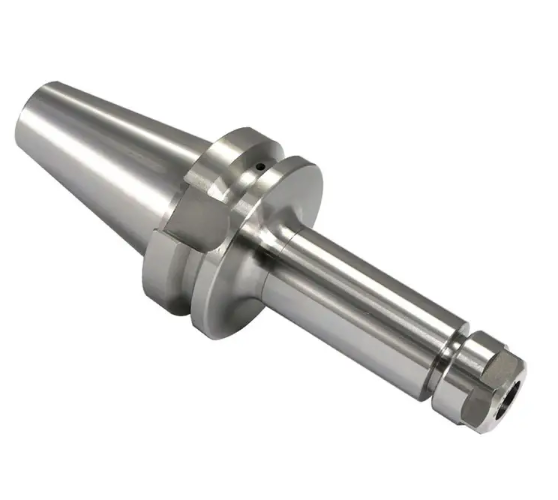
Cleaning and Bore Integrity Management for Tool Holders
Removing Contaminants from Tool Holder Bores and Mating Surfaces
Getting rid of metal chips, leftover coolant and dirt from those tool holder bores on a daily basis stops micro scoring and keeps those important dimensional tolerances intact. Grab some lint free swabs soaked in isopropyl alcohol for cleaning inside surfaces, then blow them dry with compressed air. When people skip this step, all sorts of junk gets transferred to the spindle interfaces during tool changes, which speeds up wear and messes with how consistently tools clamp down. For those mating surfaces, reach for non abrasive nylon brushes to sweep away debris without scratching those precision ground finishes. Set up some kind of written schedule for cleaning too, especially after each shift when running high volume production. Without regular maintenance, stuff builds up over time and starts affecting both the accuracy of clamping forces and runout control.
Inspecting and Cleaning Tapers, Flanges, and Spindle Interfaces
Check those tool holder tapers and flange seats every week through a 10x loupe looking out for any scratches, signs of corrosion, or material buildup from previous operations. Small blemishes measuring just over 0.001 inch can cut down on the actual contact area between parts by around 15 to 20 percent, which leads to increased vibrations during operation and unwanted thermal distortions. When cleaning those tapers, always use dedicated taper cleaning tools specifically made to remove stubborn particles without messing up the surface profile. After changing tools, don't forget to run a quick vacuum over spindle interfaces to suck out all that microscopic junk that gets stuck there. Want to know if things are really clean? Try the old tape test method. If bits stick to regular adhesive tape when pressed against surfaces, then we're not doing our job right. Once everything looks good, store the cleaned holders in properly sealed storage cabinets with some desiccant packs inside to keep moisture at bay and protect those critical bores from rust developing over time.
Inspection, Lubrication, and Clamping Force Optimization for Tool Holders
Identifying Wear, Dents, and Surface Damage During Routine Tool Holder Inspection
- Taper surfaces: Scoring or discoloration indicating heat damage or fretting
- Flange faces: Galling or deformation from overtightening or misalignment
- Clamping mechanisms: Chips obstructing collet movement or hydraulic piston travel
Applying Correct Lubrication and Verifying Torque-Controlled Clamping
Apply a rice-grain—sized amount of nickel-free lubricant to clean taper surfaces before spindle engagement—excess lubrication attracts swarf and reduces frictional grip. For clamping systems:
- Hydraulic chucks require biannual pressure testing per ISO 23539 guidelines
- Shrink-fit holders need controlled heating cycles (max 300°C) to avoid metallurgical degradation
- Mechanical collets demand torque wrenches calibrated to manufacturer specifications (typically 15—85 Nm)
Monthly checks of clamping force are essential for maintaining tool integrity. Dial indicators work well for this task, though some shops prefer strain gauge tools these days. When bolts aren't tight enough, tools tend to slip during operation which leads to bad runout issues. But going too far in the other direction isn't good either. Over tightening can warp the taper shape and create unwanted stress in the system. According to research from NIST on machining reliability, regular calibration actually doubles the life of tool holders compared to those that go unchecked for months at a time. That kind of maintenance makes economic sense when looking at replacement costs over time.
Dynamic Balancing and Corrosion Control to Maximize Tool Holder Longevity
Balancing Tool Holders for High-Speed Machining Stability
When tool holders aren't properly balanced, they create way too much vibration at high RPM speeds. This leads to problems like poor part accuracy, faster wear on spindle bearings, and those annoying chatter marks that ruin surfaces. To fix these issues, shops use special balancing machines that detect weight imbalances down to the gram level. These machines let technicians make fine adjustments to counterweights until everything runs smoothly together. The whole setup needs to be balanced as one complete system actually. That means looking at the cutting tool itself, the holder it sits in, and even that little retention knob that keeps it all secure. After doing maintenance work or swapping out parts, it's important to rebalance again. Shops report vibration reductions around 35-40% when done right, especially for precision machining jobs where every micron counts. Better balance translates to nicer surface finishes, parts that measure consistently across batches, and spindles that last longer between replacements.
Mitigating Coolant-Induced Corrosion and Ensuring Proper Tool Holder Storage
Coolant exposure triggers electrochemical corrosion that degrades taper surfaces and clamping mechanisms—especially in mixed-metal assemblies. To prevent oxidation:
- Store tool holders in dedicated racks within humidity-controlled environments (<50% RH)
- Use silica gel desiccants in enclosed storage cabinets
- Immediately dry components after coolant contact
- Apply corrosion-inhibiting lubricants (e.g., MIL-PRF-16173 Class 3) to mating surfaces
Controlled storage eliminates impact damage from disorganized handling and preserves critical tolerances. It also prevents particulate contamination that accelerates wear at the spindle interface.
Timely Component Replacement and Spindle Interface Care
Replacing parts before they fail is essential for keeping machine tools running smoothly and maintaining accurate machining results. Most shops should replace those little but important components like retention knobs, pull studs, and seals according to what the manufacturers suggest usually around 6 to 12 months for machines that get heavy use. Neglecting these small parts can lead to tiny cracks forming or metal getting tired over time, which eventually damages expensive spindles. Industry stats show worn out retention knobs actually cause about a quarter of all unexpected CNC downtime problems. Don't forget to check those spindle tapers every week with good quality measuring instruments too. Even microscopic wear on these contact points can make tool runout jump by as much as three times normal levels, speeding up how fast holders break down. After finishing each job, wipe down those taper surfaces carefully with lint free cloths and proper cleaning agents such as Shell Morlina S4 B 100 to get rid of leftover coolant that leads to corrosion between mating surfaces. Keeping detailed records digitally helps track when different parts need replacing so shops can plan ahead instead of dealing with surprises. This kind of maintenance strategy balances forces properly across the system, reduces heat related issues, and keeps production processes stable day after day.