
 EN
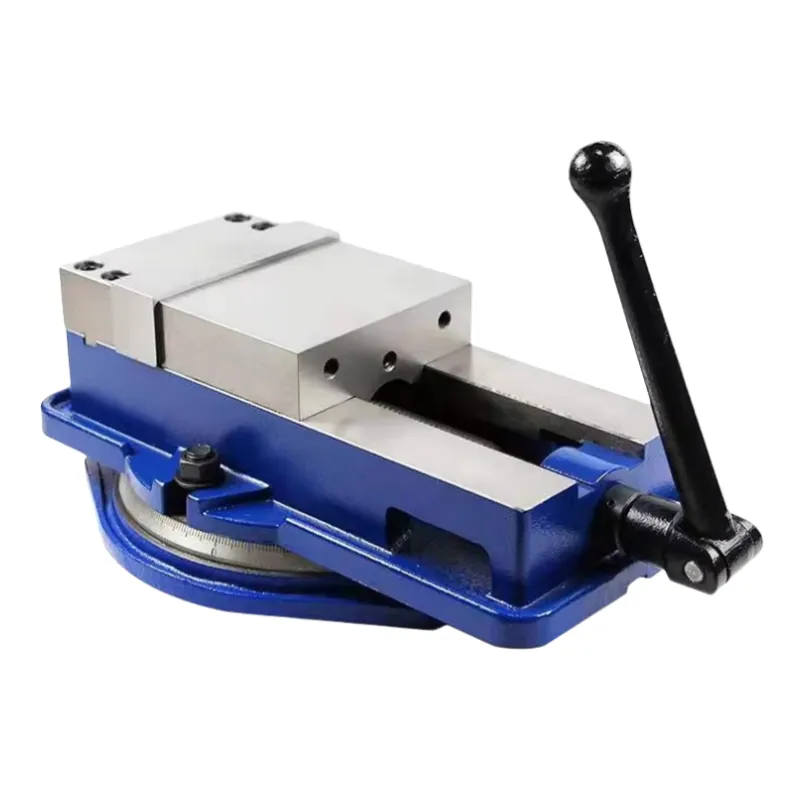
Selecting the Right Workholding Foundation for Challenging Shop Operations
When operators face heavy duty metal drilling projects, the focus is often placed entirely on the torque of the drilling machine and the sharpness of the cutting tool. However, seasoned machinists know that workpiece stability is the true bottleneck to achieving highly accurate bores and preventing catastrophic tool failures. If a heavy block of alloy steel shifts by even a fraction of a millimeter while a large twist drill penetrates the surface, the drill bit will bind, chip, or shatter instantly. This dangerous situation not only destroys expensive tooling but also poses a severe safety hazard to everyone on the shop floor. Selecting a vise that can withstand these extreme torsional and axial forces is the critical first step to securing a safe and efficient metalworking environment. High performance machining starts with establishing a solid workholding foundation, ensuring that the workpiece remains completely immobile under maximum feed rates. By investing in the right workholding equipment, machine shops can eliminate setup vibration, achieve pristine surface finishes, and prolong the lifespan of their drilling machinery. In high output manufacturing lines, even a minor vibration can lead to microscopic surface defects that fail final quality inspections, making rigid workholding an absolute necessity.
Mechanical Principles of Clamping Force and Structural Rigidity
To understand why heavy duty metal drilling requires a specialized vise, we must analyze the physics of clamping force and mechanical deflection. When a drilling machine pushes a large diameter carbide bit into solid metal, it generates thousands of Newtons of downward thrust and rotational torque. A standard utility vise manufactured from low grade grey cast iron will flex and distort under these high loads, causing the jaws to tilt slightly upward. This deflection reduces the contact area between the vise jaws and the workpiece, leading to slippage and misalignment. Professional heavy duty metal drilling requires a vise cast from high tensile ductile iron, which offers superior structural rigidity and dampening properties. In addition, the internal lead screw must be precision ground to deliver massive clamping force with minimal turning effort. Advanced vises utilize a mechanical booster or hydraulic assist mechanism to generate up to forty kilonewtons of holding force, ensuring the workpiece behaves as a solid extension of the machine table. The ability to resist both axial thrust and lateral rotational moments is what separates industrial grade workholding tools from standard garage equipment, allowing for deeper cuts and faster metal removal rates.
Metrology Standards and Clamping Pressure Calibration
Maintaining quality control during heavy duty metal drilling requires regular verification of clamping pressure and jaw alignment. Metrology standards like ASME B5.54 outline strict procedures for measuring the geometric accuracy and clamping performance of machine vises. Quality engineers should use calibrated load cells to verify that the vise is delivering the requested clamping force consistently without dropping pressure over long machining cycles. In addition, technicians must use precision dial indicators to check the parallelism of the jaws relative to the machine spindle. If the vise jaws are out of alignment by even fifty microns, the drill bit will enter the workpiece at an angle, causing out of round holes and uneven tool wear. By establishing a weekly maintenance routine to clean the guide tracks and lubricate the main screw, shops can guarantee that their workholding equipment maintains its calibrated clamping force and delivers reliable precision for years of heavy industrial service. This calibration discipline is particularly vital when working with expensive alloy materials, where a single out of tolerance hole can result in scrap costing thousands of dollars.
Successful Application in Heavy Duty Metal Drilling Operations
The practical benefit of selecting a vise designed for heavy duty metal drilling is best demonstrated through real world manufacturing results. A mid sized industrial equipment manufacturer was struggling with high scrap rates while drilling three inch diameter holes in structural steel plates. Their standard workshop vises were flexing under the heavy thrust of the radial arm drilling machine, leading to constant drill breakage and out of tolerance hole geometry. The engineering team resolved this bottleneck by selecting a high precision ductile iron machine vise with hardened steel jaws and a mechanical torque multiplier. After upgrading their workstations with this heavy duty metal drilling workholding setup, workpiece stability was fully secured. Drill bit lifetime increased by over eighty percent, and the time spent on manual rework was completely eliminated. This simple upgrade allowed the manufacturer to increase feed rates by forty percent, saving thousands of dollars in tooling costs and boosting daily production output. By transforming a highly unstable manual process into a rigid, repeatable machining operation, the facility was able to satisfy strict defense industry manufacturing requirements.
Essential Maintenance Practices for Industrial Vises
To keep your machine vise operating at peak performance during heavy metalworking projects, routine preventative maintenance is essential. After every shift, operators should thoroughly clean the vise using compressed air or a soft brush to remove sharp metal chips and accumulated drilling coolant. If chips are allowed to build up inside the slide tracks or around the lead screw, they will cause abrasive wear and lock up the mechanism. It is critical to apply a thin layer of high pressure lubricant to the screw threads and sliding ways to prevent rusting and ensure smooth jaw movement. Quality managers should also inspect the hardened jaw plates regularly for signs of wear or pitting. If the jaw surface becomes damaged, it should be replaced or reground to maintain a flat, slip resistant grip on the workpiece. Taking these simple maintenance steps protects your machine investment and guarantees maximum safety on the shop floor. Furthermore, a clean vise ensures that chips do not get trapped behind the workpiece, which would otherwise introduce subtle angular errors during setup.
Sourcing Durable Workholding Solutions from BLUESTAR
Securing repeatable drilling accuracy across your production facility requires partnership with a reliable global supplier that understands the demands of modern metalworking. For more than twenty five years, BLUESTAR has dedicated its engineering expertise to manufacturing and supplying top tier machine tool accessories, workholding solutions, and metalworking machinery for global manufacturers. Operating under strict quality control from raw material casting through final precision grinding, BLUESTAR delivers machine vises built to withstand the extreme forces of heavy metalworking operations. By exporting over one thousand specialized industrial products to more than one hundred countries, BLUESTAR provides a seamless one stop supply chain solution that helps factories upgrade their tooling setup while optimizing procurement costs. Whether your machine shop requires high capacity hydraulic vises or custom workholding fixtures, partnering with BLUESTAR ensures your team has the reliable hardware needed to turn precise manufacturing into lasting market success.
Enhancing Workshop Efficiency with Versatile Modular Workholding Systems
In modern production environments, the versatility of your workholding system plays a direct role in overall equipment effectiveness. Beyond standard machine vises, advanced facilities utilize modular grid plates and quick change jaw systems to minimize setup times between different workpiece designs. When performing heavy duty metal drilling on complex cast parts, standard flat jaws may not provide adequate contact area to ensure workpiece stability. In these situations, implementing custom V groove jaw plates or self aligning swivel jaws allows the vise to conform to irregular geometries without sacrificing holding power. This modular approach allows rapid transition from drilling large plates to processing smaller, high precision components on the same machine table. By standardizing workholding interfaces and investing in high quality clamping components, manufacturers can significantly reduce idle machine time, streamline operator workflows, and maintain a highly competitive edge in the fast paced global manufacturing market.
Table of Contents
- Selecting the Right Workholding Foundation for Challenging Shop Operations
- Mechanical Principles of Clamping Force and Structural Rigidity
- Metrology Standards and Clamping Pressure Calibration
- Successful Application in Heavy Duty Metal Drilling Operations
- Essential Maintenance Practices for Industrial Vises
- Sourcing Durable Workholding Solutions from BLUESTAR
- Enhancing Workshop Efficiency with Versatile Modular Workholding Systems