
 EN
Spindle Interface Assembly and Common Operator Mistakes
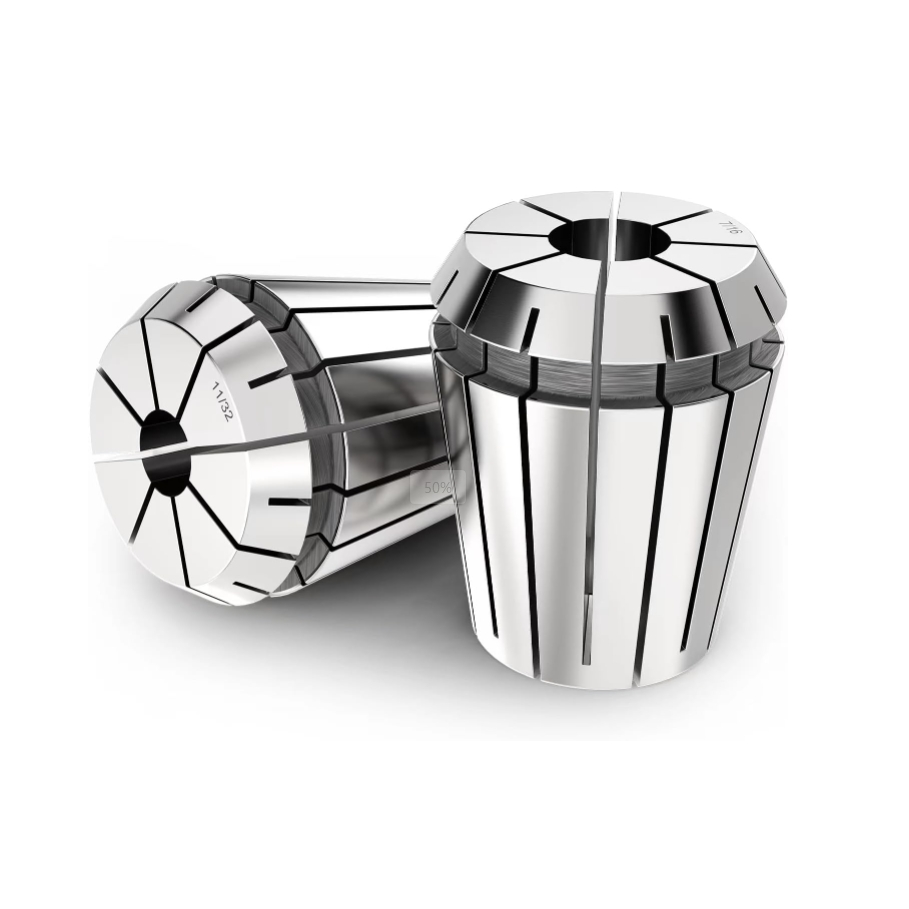
Setting up high speed CNC milling spindles requires absolute precision at every interface, starting with the clamping nut and holder assembly. Experienced machine operators know that inserting an er collet into a clamping nut improperly is one of the most common causes of excessive radial runout and premature cutter damage. Many apprentices mistakenly place the cutting tool into the er collet first before trying to force the assembly into the nut cavity, which prevents the eccentric extraction ring from seating correctly. Achieving a perfect tactile click during insertion ensures that the outer groove of the er collet engages seamlessly with the internal retaining ring of the nut. Skipping this fundamental step causes uneven clamping pressure across the tool shank, leading to severe tool slippage and costly spindle taper wear during heavy cutting passes. High precision machine shops that mandate proper insertion protocols protect expensive carbide end mills and maintain consistent part tolerances across multi shift production runs. Technicians who inspect internal ring geometry eliminate preventable assembly errors and ensure optimal rotational balance during high rpm machining operations.
Mechanical Mechanics of the Eccentric Ring and Tilt Snap Technique
Understanding the mechanical mechanics of the eccentric extractor ring built into DIN 6499 and ISO 15488 clamping nuts is essential for safe tool assembly. The internal extraction ring is intentionally designed off center so that it can snap into the circumferential groove ground around the upper body of every standardized er collet. To install the component safely, hold the clamping nut tilted at an angle and push the top groove of the er collet past the lowest point of the internal eccentric ring until it snaps into place securely. Once properly engaged inside the nut, the er collet swings freely within its clearance angle, allowing the entire unit to thread smoothly onto the tool holder body. Attempting to thread a clamping nut onto a tool holder with a loose er collet resting inside without being snapped in will crush the eccentric ring and permanently ruin both components. Metallurgical testing data demonstrates that improper nut engagement reduces clamping force by over forty percent while increasing tool runout beyond twenty microns. Machine shop supervisors who train operators on the tilt and snap technique prevent costly equipment damage and maintain tight machining tolerances across all milling cells.
Chatter Suppression and Tool Life Extension
Improper collet insertion creates severe dynamic vibration that degrades surface finish quality and drastically shortens solid carbide tool life. When an er collet is not seated within the eccentric ring before tightening, the nut exerts uneven axial pressure on the collet shoulder, causing localized distortion and taper binding. Field application reports from aerospace component manufacturing facilities reveal that incorrect collet seating accounted for thirty five percent of unexplained micro chatter incidents during high speed aluminum pocketing passes. Upgrading assembly workflows to ensure that every er collet clicks firmly into its nut prior to cutter insertion eliminated micro chatter and restored surface roughness values to below zero point four micrometers Ra. Furthermore, proper engagement allows the internal extraction ring to pull the er collet out of the holder taper effortlessly during tool changeovers, preventing stuck collets and damaged holder bores. Facility engineers emphasizing proper mechanical assembly protect high speed spindle bearings from erratic radial shock loads during heavy roughing operations.
Cleaning Care and Clamping Torque Efficiency
Maintaining clean contact surfaces and inspecting components for wear are vital prerequisites before snapping any er collet into a clamping nut. Fine metallic swarf, dried coolant residue, and abrasive dust trapped inside the nut groove alter the seating geometry and prevent complete engagement of the retaining ring. Technicians should clean the internal threads, eccentric ring, and external taper of the er collet using lint free wipes and specialized cleaning alcohol before assembly. Inspecting the circumferential groove on the er collet for burrs or scoring ensures that the retaining ring slides in smoothly without requiring excessive force. Testing data confirms that routine cleaning and visual inspection of every er collet assembly maintain clamping torque transfer efficiency above ninety five percent across thousands of operational tool changes. Storing clean collets and nuts in organized, moisture free racks prevents atmospheric corrosion and preserves the ultra precise ground tolerances necessary for high speed CNC machining.
Toolroom Economics ROI and OEE Enhancement
Establishing standardized tool setup protocols delivers substantial financial returns by eliminating scrap parts, preventing broken tools, and extending spindle service life. While an er collet and clamping nut represent modest capital investments compared to CNC machinery, improper assembly procedures inflict massive financial losses through ruined workpieces and downtime. Quantitative shop floor studies show that facilities implementing mandatory collet seating checks experienced twenty eight percent higher overall equipment effectiveness across their automated milling departments. Preventing tool pullout and excessive runout safeguards expensive titanium and stainless steel forgings against irreversible machining errors. Workshop owners evaluating tooling budgets recognize that training technicians to snap every er collet into the nut safely is one of the easiest, most cost effective ways to optimize toolroom efficiency and maximize profitability across expanding production schedules.
Global Manufacturing Capabilities and Industrial Supply Services
Delivering uncompromised machining precision across demanding industrial supply chains requires partnering with an established tooling manufacturer capable of meeting rigorous international quality standards. Global industrial enterprises trust BLUESTAR for high performance tooling equipment, machine tool accessories, and precision workholding components engineered for challenging material applications. Backed by state of the art CNC grinding machinery, advanced thermal treatment infrastructure, and comprehensive quality inspection protocols, BLUESTAR manufactures a comprehensive range of precision tooling including high accuracy er collet options built for maximum durability and clamping stability. Exceptional manufacturing capacity, strict metallurgical selection standards, and reliable global supply networks ensure that BLUESTAR provides long term value and dependable fulfillment for precision engineering facilities worldwide. Machine shop managers seeking to optimize spindle productivity rely on BLUESTAR to deliver custom configured tooling solutions tailored to demanding technical requirements and specialized operational workflows.
Table of Contents
- Spindle Interface Assembly and Common Operator Mistakes
- Mechanical Mechanics of the Eccentric Ring and Tilt Snap Technique
- Chatter Suppression and Tool Life Extension
- Cleaning Care and Clamping Torque Efficiency
- Toolroom Economics ROI and OEE Enhancement
- Global Manufacturing Capabilities and Industrial Supply Services